

How to Use the Economic Calendar in Forex Trading
📊 Discover how the economic calendar guides forex traders in Kenya. Learn to read key indicators & time trades better for smarter decisions. 💹
Edited By
Isabella Hughes
The FX economic calendar is a vital tool for anyone trading currencies. It lists upcoming economic events and data releases that impact foreign exchange rates. In forex trading, timing matters a lot, and this calendar helps you see when important market-moving announcements are due.
Key events can include central bank rate decisions, inflation reports, employment figures, and GDP numbers from major economies like the United States, European Union, China, and even Kenya. For example, when the Kenya National Bureau of Statistics publishes inflation data, the Kenyan shilling might experience shifts as traders react to the nation’s economic health.
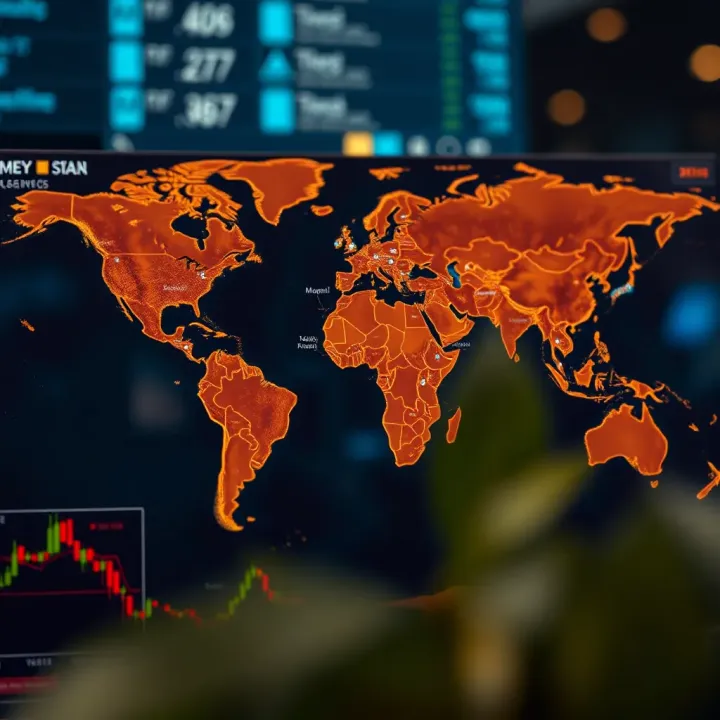
By tracking these events, traders can prepare for volatility or identify opportunities. For instance, if the US Federal Reserve signals a rate cut, you might anticipate the US dollar’s value falling against other currencies such as the euro or the Kenyan shilling. Conversely, stronger-than-expected economic numbers often strengthen a country’s currency.
The calendar also ranks events by importance—usually marked as low, medium, or high impact—giving you a sense of what to focus on. High-impact events, like central bank decisions or inflation data, often cause sharp currency moves, whereas low-impact data might trigger little or no change.
Using the calendar effectively means combining it with broader market analysis. Kenyan traders, for example, should consider not just global data but also regional influences, like the performance of the East African Community economies or agricultural output reports that affect export currencies.
Traders who ignore the economic calendar risk being caught off guard by sudden price swings. Keeping an eye on scheduled announcements helps you manage risk and set better entry or exit points.
To sum up, the economic calendar is your signpost to the events shaping currency markets. It’s not just a timetable but a guide to when and why prices might move. Bringing this tool into your trading strategy can sharpen your decisions and reduce surprises.
Dates and times of economic releases, usually shown in UTC or local time
Event description explaining the data or announcement
Impact level to gauge potential market reaction
Previous figures and market expectations for context
For Kenyan traders, bridging the calendar’s global focus with local realities ensures a balanced view of the forex market.
An FX economic calendar is a tool that lists upcoming economic events and data releases expected to influence forex markets. It shows scheduled reports like inflation rates, employment figures, or central bank decisions that can trigger currency price movements. For Kenyan traders, this calendar offers a clear view of key timings when market volatility might increase.
By tracking these events, traders can plan their positions ahead, avoiding unexpected losses or capitalising on potential opportunities. Since forex trading reacts sharply to news, missing a major report like the US Non-Farm Payroll (NFP) or Central Bank of Kenya (CBK) rate announcements can mean missed chances or heavy risks.
Economic calendars compile dates and times of events that impact economies and currency values. These include statistics published regularly by government agencies, international bodies, or central banks. For example, Kenyan traders rely on GDP growth reports from the Kenya National Bureau of Statistics or inflation figures released monthly.
The calendar’s purpose is to provide a simple, structured way of keeping track of these events. Instead of guessing, traders get relevant info at a glance, helping them react with proper timing. This reduces the guesswork around when markets might turn volatile.
Forex traders depend on these calendars because price moves often happen not because of past data but in reaction to new information. When unexpected numbers come out—say, inflation rising above forecasts—currencies linked to that economy either surge or dip quickly.
For instance, if the US Federal Reserve signals an interest rate hike during its policy announcement, traders watching the USD/KES pair can adjust their trades accordingly. The economic calendar acts as an early warning system to prepare and manage risk around such events.
Each entry in an economic calendar typically lists the date and exact time when an event or data release is expected. It also names the event, like "Consumer Price Index (CPI)" or "Central Bank Interest Rate Decision." Most calendars indicate which currency will be affected, often marked by flags or codes like "KES" for Kenyan Shilling or "USD" for US Dollar.
Additionally, the calendar rates the expected impact of the event as low, medium, or high. This helps traders prioritise which events deserve more attention. For example, a KSh-sensitive inflation report might be marked as high-impact, drawing more focus.
Since forex is a global market, understanding when an event happens in local time is critical. Economic calendars typically use standard time zones like GMT or local time but often allow users to adjust to their own time zone. Kenyan traders should set the calendar to East Africa Time (EAT) to avoid confusion.
Events released outside Kenyan trading hours could still cause after-hours price swings, especially during London or New York sessions. Being aware of exact release times helps traders react promptly, whether to close positions or enter new trades based on fresh data.
Keeping track of release schedules helps you avoid surprises and enables smarter entry and exit points in the volatile forex market.
In summary, an FX economic calendar helps Kenyan forex traders navigate market turbulence by organising must-know economic events clearly, pointing out which data can move currencies and when exactly those movements might occur.
The FX economic calendar lists different events that sway currency prices. Knowing the main types of these events helps traders anticipate market moves and adjust strategies accordingly. These events generally split into economic indicators, central bank announcements, and other influential reports. Each has unique economic signals that forex traders watch closely for clues on currency strength or weakness.
Gross Domestic Product (GDP) reports show the total economic output of a country over a given period. It’s a broad snapshot of economic health. When GDP comes out stronger than expected, it usually boosts the country's currency because it reflects business growth and consumer demand.
For example, if Kenya reports a higher GDP growth rate than projected, it often encourages foreign investors to consider KSh assets, making the shilling stronger. Traders watch GDP figures to gauge whether an economy is expanding or contracting, which directly influences forex market sentiment.
Inflation metrics like Consumer Price Index (CPI) and Producer Price Index (PPI) measure changes in price levels for consumers and producers respectively. Rising inflation suggests the buying power of money is falling, which can lead central banks to raise interest rates to control inflation.
Market players track CPI and PPI closely. When inflation numbers come in hotter than expected, the currency may gain if traders anticipate a rate hike. Conversely, below-forecast inflation readings might weaken the currency.

Employment data, including unemployment rates and payroll reports, reveal labour market conditions. A tight job market with low unemployment usually signals economic strength, prompting currency appreciation.
The US Non-Farm Payroll (NFP) report is especially influential globally. Strong payroll growth often lifts the US dollar, affecting currency pairs globally, including the USD/KES. Kenyan traders watch such reports since they influence demand for the shilling against the dollar.
Interest rate decisions are pivotal events where central banks set benchmark rates. Higher rates generally attract foreign capital seeking better returns, strengthening the local currency.
The Central Bank of Kenya’s (CBK) rate decisions impact forex traders holding KSh pairs. A surprise rate increase can cause rapid shilling gains, while cuts may prompt selling.
Monetary policy statements provide the reasoning behind interest rate moves and the economic outlook. These statements help traders interpret a central bank's stance — whether it’s likely to tighten or ease policy going forward.
Reading the tone of CBK's statements can help traders anticipate rate changes before they happen. For example, if the statement emphasises inflation risks, traders might expect higher rates soon.
Press conferences and forward guidance are interactive sessions where central bank officials clarify policy decisions and economic assessments.
This direct communication can affect markets sharply, as it often includes hints about future monetary moves. Forex traders, especially institutional ones, follow these closely to align their trades with expected policy paths.
Trade balance figures show the difference between a country's exports and imports. A trade surplus (more exports than imports) can support the national currency, while a deficit may weaken it.
For Kenya, reports on tea, coffee exports, or oil imports often affect trade balance data. Traders monitor these to anticipate shifts in the KSh exchange rate.
Consumer confidence surveys gauge how optimistic consumers feel about the economy. High confidence usually suggests increased spending and growth, supporting the currency.
When consumer sentiment drops unexpectedly, it may signal slowing growth, causing currency weakness. Kenyan traders may keep an eye on global surveys, especially in major economies like the US or Eurozone, as they indirectly influence the shilling.
Political developments affecting currency values include elections, policy shifts, or instability. Changes in government can alter economic policies impacting forex markets.
In Kenya, factors like election outcomes or significant policy reforms in trade or taxation often trigger currency volatility. Political stability tends to attract investment, supporting the national currency.
Forex markets react not just to data but also the broader economic and political context. Understanding each event's role sharpens a trader’s ability to predict currency moves.
The FX economic calendar bundles these events clearly, letting traders time their moves well and manage risks effectively.
The FX economic calendar is a vital tool for traders aiming to make informed decisions in the volatile forex market. By tracking scheduled economic releases and events, traders can anticipate market movements and position themselves accordingly. This approach reduces guesswork and helps manage risk by providing early warnings about potential volatility.
High-impact releases are typically marked on the economic calendar with a symbol or colour denoting their potential to move markets. For example, a major US Non-Farm Payroll report or Kenya’s Central Bank interest rate announcement will carry more weight compared to minor economic data. Kenyan traders should watch these closely since they often trigger wider forex swings, especially in currency pairs like USD/KES or EUR/USD.
Additionally, understanding which currency the event affects helps focus attention. If the Bank of England announces a policy change, British pounds will react faster than other currencies. Spotting these high-impact events allows you to prepare mentally and strategically for possible sudden price shifts.
It’s sensible to reduce your trading size before big releases to minimise the risk of being caught on the wrong side of a surprise market move. For instance, if the US Federal Reserve is expected to announce a rate change, trimming down your position in USD pairs limits exposure should volatility spike.
On the other hand, some traders prefer to close positions entirely or use stop-loss orders to protect capital. The key is recognising that scheduled events increase unpredictability. Adjusting position size based on the event’s potential impact ensures you don’t overextend and can ride out any price swings without panicking.
The market often moves more on the difference between forecasted figures and actual data than on the absolute numbers. Suppose the Kenya National Bureau of Statistics releases inflation data expected at 6%, but the actual number comes in at 7.5%; such a surprise can force the Kenyan shilling to weaken suddenly as traders anticipate tighter monetary policy.
Accurate reading of these differences helps traders judge whether the market reaction will be short-lived or signal a longer-term trend. Keeping an eye on the forecasts and comparing them with released data sharpens the ability to make quick yet informed decisions.
When figures exceed expectations, the associated currency generally strengthens, as traders interpret the data as positive for the economy. Conversely, worse-than-expected data tends to weaken that currency. However, the reaction isn’t always straightforward. Sometimes, good data is already priced in, or the market focuses on central bank commentary instead.
For example, after the US Non-Farm Payroll report, a bigger-than-expected employment increase usually boosts the US dollar. But if the Federal Reserve signals patience in raising rates, the dollar might still fall despite strong data. Knowing these nuances prevents knee-jerk trading mistakes.
Volatility spikes often occur immediately after major announcements. Trade spreads widen, and price swings become sharp and unpredictable. Wise traders avoid opening new positions just before such releases unless using specific strategies to benefit from volatility.
For example, before Kenya’s Central Bank Monetary Policy Committee meeting, it’s safer to close or reduce positions in KES pairs to avoid unexpected losses. Waiting for the market to settle after the announcement allows you to enter trades with clearer direction.
For those experienced and willing to take risks, major economic events create windows for quick profits through short-term trading strategies. Scalping or day trading immediately after releases can capitalise on rapid price moves.
A trader expecting US inflation data to beat forecasts might prepare to buy USD pairs just as the numbers drop, earning from the initial surge. However, this requires close monitoring, fast execution, and risk controls like tight stops to avoid rapid losses if the market moves against you.
Keeping an eye on the FX economic calendar and understanding its implications enables you to navigate the forex market more calmly and effectively. It’s not just about knowing when events happen but using that knowledge to fine-tune your trading approach for better outcomes.
By integrating calendar insights, you protect your capital and increase chances of spotting the meaningful opportunities that others may miss.
Having access to an FX economic calendar tailored to your trading needs is essential for staying ahead in the forex market. These calendars list important economic events and data releases that influence currency movements. Customising them ensures you only see the most relevant events based on the currencies you trade and the times you're most active, helping to manage your risk and seize trading opportunities effectively.
Several popular websites provide free, up-to-date FX economic calendars that are trusted by Kenyan traders. Platforms like Investing.com and Trading Economics offer detailed event schedules, impact ratings, and actual versus forecast data, which are vital for making informed decisions. These sources often allow users to filter events by region and currency, making it easier for Kenyan traders to focus on critical information that affects the Kenyan shilling and major currencies like the US dollar or euro.
Mobile apps have also become vital for forex traders who need to monitor market-moving announcements while on the go. Apps such as the MetaTrader 4 and 5 platforms include built-in economic calendars that sync with Kenyan market hours, providing push notifications timed to your local time zone. This way, whether you're commuting in Nairobi or at a rural shamba, you’re promptly alerted to key releases like Central Bank of Kenya statements or US non-farm payroll figures.
Selecting the currencies you're interested in is crucial to avoid information overload. For instance, if you mainly trade USD/KES, setting your calendar to highlight events affecting the US dollar and the Kenyan shilling will keep your focus sharp. This prevents distractions from less relevant reports like those impacting the Japanese yen or British pound, which might not have immediate effects on your trades.
Setting alerts for specific events adds another layer of practical convenience. You can get notifications before and after high-impact releases like inflation data or interest rate decisions. This feature allows you to prepare your trading strategy ahead of volatility spikes and react swiftly when data surprises hit the market. For example, receiving an alert minutes before the Central Bank of Kenya announces its monetary policy decision can be the difference between a smart entry or a costly mistake.
Tailoring your economic calendar ensures you trade with clear, focused information, helping you avoid getting caught off guard and maximise your chances of success in the forex market.
Customising your calendar and using trusted sources can save you time and help you trade with more confidence, especially given Kenya’s overlapping local and international market activities.
Practical use of the FX economic calendar helps traders apply theory to real market situations, sharpening their ability to anticipate currency movements. Instead of just knowing what events matter, seeing how economic reports influence currencies like the Kenyan Shilling (KSh) provides a clearer grasp. This section looks at specific examples where calendar events directly affect Forex trades, especially relevant to traders working around KSh and USD/KES pairs.
The Central Bank of Kenya (CBK) interest rate decisions are some of the most closely watched events for those trading KSh pairs. When CBK changes its base rate, it signals shifts in monetary policy targeting inflation or economic growth. For example, a rate hike often strengthens the KSh since higher interest rates attract foreign investment looking for better returns. Conversely, a rate cut may weaken the shilling as lower yields discourage investment.
Traders need to monitor these announcements punctuality on the FX economic calendar to avoid unexpected volatility. Historically, CBK has altered rates during inflationary pressures or currency instability episodes. A 2019 CBK hike, for instance, bolstered the shilling against the dollar, allowing traders who anticipated this move to position successfully.
Inflation data, like the Consumer Price Index (CPI), influences KSh valuations as it impacts forecasts of CBK's future monetary policy. Rising inflation generally puts downward pressure on the shilling if traders expect the CBK to reduce rates to stimulate the economy or if inflation signals economic weakness.
On the other hand, steady or declining inflation tends to support a stable or stronger shilling by reducing uncertainty over monetary policy. Inflation reports appearing on the FX economic calendar help traders spot these shifts early. For example, during periods when inflation climbs above CBK’s target range, traders often adjust their KSh positions ahead of the possible rate moves.
The US Non-Farm Payroll (NFP) report is a heavyweight event on the economic calendar, often triggering major moves in USD pairs like USD/KES. Traders watch the difference between forecasted job additions and actual figures closely. A stronger-than-expected NFP number tends to boost the US dollar, weakening the KSh against it, as it implies a robust US economy and may lead to interest rate hikes by the Federal Reserve.
In contrast, weaker results can send the dollar tumbling, allowing the KSh to gain ground. For example, in a recent release, the actual payroll count missed forecasts significantly, leading to a sharp USD/KES dip that savvy traders could capitalise on.
Knowing the scheduled time of the NFP release enables traders to prepare by scaling down risky positions or setting stop-loss orders to limit potential losses during volatility spikes. Others might capitalise on the immediate price action following the news by placing short-term trades targeting quick moves.
Furthermore, combining the NFP report data with Kenyan economic fundamentals and CBK policy outlook helps in building a more informed medium-term trading strategy. Traders aware of the economic calendar can position themselves to benefit before, during, and after the event, minimising risk and maximising returns.
Using the FX economic calendar is not just about watching dates — it's applying those moments to make smarter, timely trading choices that reflect real market behaviour.
By closely tracking key releases like CBK rates, inflation figures, and the US NFP report, Forex traders in Kenya gain a practical edge to navigate the complex currency markets confidently.
📊 Discover how the economic calendar guides forex traders in Kenya. Learn to read key indicators & time trades better for smarter decisions. 💹
Learn how Kenyan traders can confidently enter online forex trading 🔍. Explore key concepts, safe platforms, risk tips, KRA and payment methods including M-Pesa.
Learn how forex trading works for Kenyan investors 🇰🇪. Discover practical tips on strategies, risk management, local regulations, and starting out confidently 💹.
🌍 Learn how forex trading works, understand currency price drivers, discover key strategies, risks, and tips for participating confidently in global currency markets.
Based on 9 reviews