

Effective Risk Management Strategies for Business and Life
Learn practical risk management strategies for business and daily life in Kenya 🇰🇪. Identify, assess, reduce, or share risks to protect assets and make smarter decisions.
Edited By
Benjamin Clarke
Project risk management is about spotting, understanding, and handling the challenges that can threaten a project's success. In Kenya's fast-moving business setting, these challenges can come from different angles — from unreliable suppliers to sudden policy changes or even unpredictable weather patterns affecting construction projects.
Good risk management isn’t about avoiding every possible problem; it’s about being prepared. For example, a trader dealing with import-export might identify risks such as currency fluctuations or customs delays early on, then plan how to respond without halting operations. This practical approach minimises surprises and keeps the project moving.
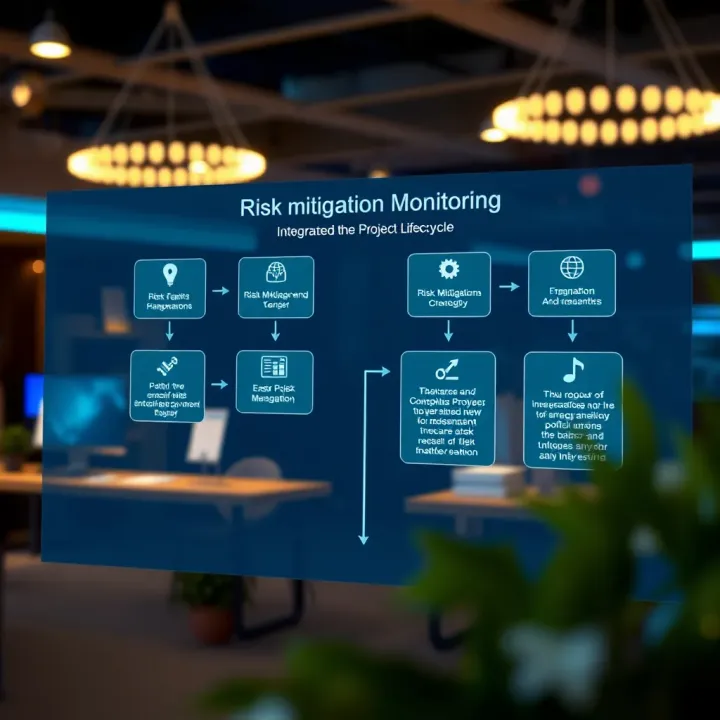
There are several steps involved in managing risks effectively:
Identification: List all possible risks related to the project. These may include financial, environmental, political, or technical risks.
Assessment: Evaluate which risks pose the biggest threat in terms of likelihood and impact. Tools like risk matrices help give a clear picture.
Mitigation: Develop strategies to reduce risks. This might mean diversifying suppliers to avoid delays or setting aside a contingency budget to cover unforeseen expenses.
Monitoring: Keep track of risks throughout the project lifecycle, adjusting plans as new information emerges.
"Risk is inevitable, but unmanaged risk leads to failure. Managing risk is about control and readiness."
In practice, a project manager in Nairobi developing a new dashboard app might use these steps alongside analytics tools to monitor user feedback and detect potential technical failures early. This way, they respond swiftly before minor issues become major setbacks.
Understanding these principles equips traders, investors, analysts, educators, and brokers with the knowledge to foresee problems and reduce their effects. Risk management thus becomes a cornerstone for keeping projects on track and ensuring they deliver the expected results, even in Kenya’s sometimes unpredictable environment.
Project risk management is about spotting potential problems before they disrupt your project and taking steps to handle them. In Kenya’s dynamic environment, where factors like regulation changes, market shifts, and weather can quickly affect projects, understanding risks is especially relevant. For example, a construction project in Nairobi might face delays due to city council permits, while an ICT rollout in Mombasa could be affected by unreliable power supply. Recognising these risks early helps maintain project timelines and budgets.
Project risks are uncertain events or conditions that, if they happen, can impact the project’s objectives either positively or negatively. They are inherent in all projects, whether small or large. A key characteristic of project risks is their uncertainty—you don’t know if or when they will occur, but their possibility demands attention. Unlike predictable factors, risks require monitoring and planning to avoid surprises.
The difference between risks and issues lies in timing and certainty. Risks are potential problems that might occur in the future, while issues are current problems that have already happened and need resolution. For instance, discovering that a critical supplier failed to deliver on time is an issue needing immediate fixing, whereas anticipating possible strikes among local workers represents a risk to consider and plan for.
In a Kenyan context, common project risks include fluctuations in foreign exchange rates affecting imported materials’ costs, political instability around election periods, or infrastructure challenges such as unreliable road networks causing logistics delays. For instance, an agribusiness project relying on timely delivery of fertilisers may be vulnerable to road closures during the rainy season, making this risk critical to manage.
Ignoring risks can derail projects, causing schedule overruns, cost spikes, and failure to meet objectives. An infrastructure project stalled because of unconsidered soil conditions can lead to huge financial losses and reputational damage. When risks are unmanaged, the likelihood of disruption grows, increasing uncertainty for investors and stakeholders.
Taking a proactive approach to risk management allows project teams to prepare and respond effectively, reducing potential negative impacts. For example, arranging alternative suppliers or adjusting project timelines in anticipation of risk events can save costs and avoid delays. This proactive stance often means the difference between a project that finishes on time and one that struggles to recover.
Managing project risk closely links to success factors such as clear planning, stakeholder engagement, and effective resource utilisation. Projects that integrate risk management into their processes tend to perform better, demonstrating resilience in the face of challenges. In Kenya, where economic and social factors can rapidly change, this connection is even more vital for traders, investors, and analysts looking to safeguard their interests.
Failing to manage risks isn’t just about project delays; it’s about protecting investments, maintaining trust, and ensuring sustainable outcomes that benefit everyone involved.
By understanding and implementing project risk management, you set a foundation not just for completing the project, but for achieving it efficiently, within budget, and with minimal surprises.
Identifying risks early is a vital step in managing projects effectively. It sets the stage for preparing strategies that prevent surprises and reduce losses. In Kenya’s diverse sectors, recognising where risks may arise keeps projects moving smoothly and within budget.
Understanding where risks come from helps you get ahead of problems. Risks split into two main categories: internal and external. Internal risks stem from within the organisation or project team, like resource shortages or poor communication. For example, a contractor in Nairobi might face delays if there’s understaffing or faulty equipment. On the other hand, external risks come from outside factors, such as changes in government regulations or sudden economic shifts. The introduction of new VAT rates or disruptions due to political unrest can affect project timelines and costs.
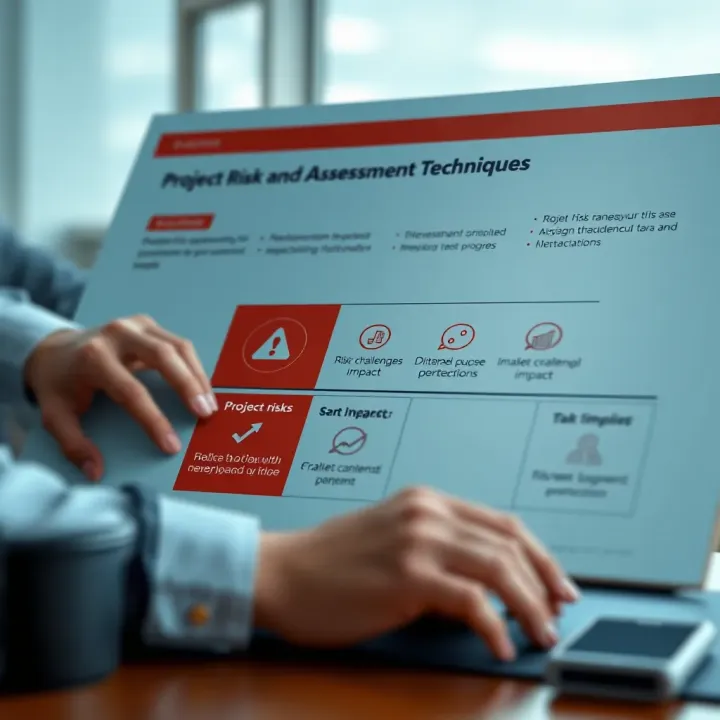
Common risks vary greatly depending on the sector. In construction, delays caused by weather, supply chain issues for materials, or safety accidents are typical. For instance, during Kenya’s long rains, work may halt because of flooding or mudslides on a road project. In ICT, risks often relate to technology failures, cybersecurity threats, or rapidly changing software requirements. A local mobile app startup may face risks if internet outages slow development or testing. Other sectors, like agriculture or manufacturing, may deal with market price fluctuations, labour strikes, or equipment breakdowns.
Local Kenyan conditions add unique challenges. Infrastructure instability, like unreliable power supply, is a frequent risk, particularly in rural areas. Furthermore, regulatory processes can vary by county, making compliance complex. For example, a project in Mombasa might require different permits compared to Nairobi, impacting timelines. Political events, such as elections, often bring pauses or uncertainties. Understanding these realities helps tailor risk identification to the Kenyan context.
Brainstorming sessions with project teams and experts offer diverse viewpoints on potential risks. Gathering experienced voices, possibly including local fundis or sector specialists, reveals risks that ordinary reviews may miss. Interviews with seasoned professionals provide deep insights, especially when exploring complex projects like infrastructure or tech solutions.
Using checklists and lessons learned from past projects builds on historical experience. For example, a checklist might remind managers to consider fuel supply risks when planning a remote road building. Documented lessons learnt from earlier projects in Kenya often highlight practical pitfalls, such as underestimating transport delays or community disputes.
Tools like SWOT analysis (Strengths, Weaknesses, Opportunities, Threats) help in spotting internal and external risks quickly. Cause-and-effect diagrams then visually map out how certain risks, like unreliable suppliers, could lead to project stoppages. These methods are straightforward but effective in structuring risk discussions.
Lastly, reviewing project documents and engaging stakeholders actively supports thorough risk identification. Contracts, plans, and budgets may reveal technical, financial, or legal risks. Meanwhile, input from community leaders, clients, and suppliers helps surface social, environmental, or political risks early. For instance, understanding local community concerns in Kisumu can prevent conflicts causing project hold-ups.
Identifying project risks precisely and early improves decision-making and saves resources, particularly in Kenya’s dynamic and sometimes unpredictable project environment.
Proper risk identification forms the backbone for managing uncertainties throughout your project’s life.
Assessing and prioritising risks is a vital step in effective project risk management. By understanding which risks could hit your project hardest, you focus time and resources where they matter most. This process helps avoid firefighting after problems occur, saving money and steering projects back on track quickly. For traders and investors, especially, knowing which risks could cause delays or cost overruns means better decision-making and safeguarding investments.
Risk probability estimates how likely a risk is to happen, while impact assessment judges the seriousness if it does. Together, these two help assess which risks could disrupt a project the most. For example, in a Nairobi construction project, political demonstrations may have a 30% chance of delaying work. But if they occur, the impact on the timeline and budget could be severe because security measures might stall all operations. Recognising this early helps managers prepare strategies such as scheduling high-risk activities during quieter periods or allocating extra funds.
Classifying risks by type and urgency guides how to respond quickly and effectively. Risks may be technical, financial, legal, or environmental, and each category needs different expertise. A risk that threatens a project's core delivery date demands immediate attention, while less urgent ones might just be monitored. For instance, delayed material supplies during the short rains season in Kenya affect deadlines differently compared to yearly regulatory changes that provide some lead time. Prioritising based on urgency ensures the team can act before a risk escalates.
A risk matrix maps risks into zones like low, medium, or high, based on their probability and impact. This visual tool helps everyone understand at a glance what to focus on. Kenyan project managers often use risk matrices during stakeholder meetings to communicate potential problems and justify budget adjustments. Suppose a technology rollout in a Kenyan bank ranks cyber threats as high impact and medium probability, putting it in the critical zone. The matrix helps justify stronger security investments immediately instead of delaying until a breach occurs.
Quantitative analysis uses numbers and statistics to evaluate risk effects, moving beyond gut feeling. In Kenya’s financial sector, this is seen when analysts use past market data and volatility indexes to forecast risks in investment projects. Quantifying risks helps make informed choices on where to allocate capital and personnel resources, reducing financial exposure while improving reliability.
Monte Carlo simulations run thousands of random scenarios to show potential project outcomes and their probabilities. Decision trees help break down complex choices into manageable options and evaluate their risks and rewards. These tools are applied in sectors like infrastructure development where many uncertainties exist. For example, a Kenyan roads project team might use Monte Carlo simulation to estimate delays caused by weather or budget fluctuations, allowing them to plan contingencies better.
Using quantitative methods allows precise budgeting and realistic scheduling by factoring risk uncertainties. For instance, a mobile money service expansion in Kenya can embed potential regulatory delays or technology failures into the timeline and cost forecast. Adjustments are made upfront, so stakeholders know the wiggle room available. This approach reduces surprises and builds confidence among investors and partners who rely on timely deliverables and cost control.
Assessing and prioritising risks is not a one-off task but a continuous effort, enabling projects to adapt and respond in real time, improving their chances of success in dynamic environments like Kenya's business landscape.
Managing risks effectively can make or break a project, especially in fast-moving environments like Kenya’s construction or ICT sectors. Strategies for managing and mitigating risks help project managers control threats before they snowball, protecting time, costs, and quality. Focusing on practical, clear approaches ensures teams are prepared to handle surprises, whether it’s a delayed material shipment in Mombasa or a software glitch in Nairobi.
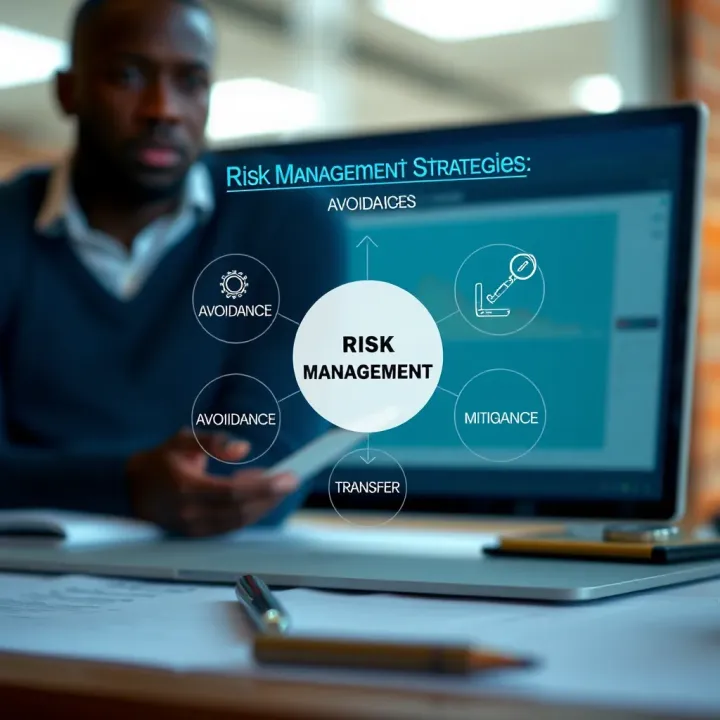
Four main options guide risk response: avoid, transfer, mitigate, and accept. To avoid a risk means changing the project plan to eliminate the threat—like redesigning a bridge to avoid flood-prone areas. Transfer shifts responsibility to a third party, such as hiring specialised contractors or buying insurance to cover delays. Mitigation reduces the likelihood or impact of a risk; for example, using high-quality equipment to lower breakdown chances. Lastly, acceptance means acknowledging and planning for risks that cannot be avoided or transferred, usually backed by contingency funds.
Choosing the right response depends on the risk’s nature and severity. Critical risks affecting safety or budget often require avoidance or transfer. Lower-impact risks might be mitigated or accepted to balance costs. For instance, in Kenyan roadworks, flooding risks during the rainy season may be mitigated by scheduling work in dry months, while minor delays due to paperwork might be accepted.
Projects in Kenya often face unique risks—from political shifts affecting permits to fluctuating material prices. A Nairobi real estate developer transferred construction delay risks to a contract firm, ensuring penalties for late delivery. Meanwhile, a Kisumu ICT startup accepted the risk of power outages but installed backup generators as mitigation. These examples show how response plans must fit each project’s specifics to be effective.
Assigning clear responsibilities is vital. Each risk owner should understand their duties and authority to act, whether it’s site managers overseeing safety or finance teams tracking budget risks. Without accountability, risk actions stall. Practical delegation means integrating risk roles into team job descriptions and regular performance reviews.
Communicating risk plans keeps everyone on the same page, especially in multi-stakeholder environments common in Kenyan projects. Regular briefings, bulletins, or digital dashboards help teams and clients track risk status, enabling quicker reactions. For example, a county government project updating contractors on weather-related flood risks can reduce downtime and avoid costly surprises.
Allocating resources such as funds, equipment, or personnel for risk mitigation ensures plans aren’t just theoretical. If a road improvement project sets aside KSh 10 million for unforeseen drainage work, teams can act without bureaucratic delays. Resource plans should be realistic and flexible, reflecting local conditions and logistics. Access to quick funds or spare parts can mean the difference between a minor hiccup and a project shutdown.
Effective risk management means matching the right strategy to each risk and ensuring people, communication, and resources support those choices throughout the project.
By combining sound response planning with practical implementation steps, Kenyan project managers boost their chances of delivering on time, within budget, and without surprises that derail progress.
Monitoring risks throughout a project is vital for ensuring that emerging threats are identified and addressed on time. It keeps the project team alert to changes and helps avoid surprises that could derail progress. In the Kenyan context, where projects often face unpredictable factors like frequent regulatory shifts or supply chain interruptions, continuous risk monitoring is especially critical.
Regular risk review meetings provide a formal space for the project team to discuss any changes in known risks and identify new threats. These meetings should be scheduled frequently enough to reflect the project cadence — for example, weekly or biweekly for fast-moving projects. They encourage ongoing communication and help teams react quickly if a risk’s probability or impact has shifted. In Nairobi infrastructure projects, for instance, such meetings can reveal changes tied to local weather patterns during the long rains, allowing adjustments before delays occur.
Updating risk registers ensures that all identified risks, their status, and the mitigation actions remain current. A risk register acts as the central record and must be updated whenever new information emerges. This practice helps avoid outdated data that might mislead decision-makers. Kenyan SMEs running construction projects typically face frequent material delivery delays, so recording these systematically aids in anticipating future disruptions.
Using project management software simplifies monitoring by providing tools like dashboards, alerts, and progress trackers. Kenyan organisations utilising platforms such as Microsoft Project, Primavera P6, or local solutions adapted to M-Pesa payments and communication channels find real-time updates invaluable. Software reduces paperwork and ensures risk data is accessible to all stakeholders, improving transparency and accountability.
Engaging stakeholders with timely information builds trust and enables collaborative problem-solving. Promptly sharing risk updates with clients, suppliers, and county authorities prevents misunderstandings and supports informed decision-making. For example, timely alerts on a funding delay in a Nairobi-based renewable energy project give stakeholders room to arrange alternatives rather than scrambling at the last minute.
Reporting formats suited to Kenyan project environments need to balance clarity with detail. Simple, visual formats—like traffic light indicators or heat maps—are effective in boardroom presentations and progress reports. Including vernacular languages or using familiar terms helps teams at the operational level to grasp the risk context quickly. Especially in mixed urban and rural projects, clear formats avoid communication breakdowns.
Lessons learned documentation captures the history of risk occurrences and responses, which becomes an asset for future projects. In Kenya’s dynamic markets, this habit supports continuous improvement. For instance, a water supply project in Kisumu that documents how seasonal floods affected timelines can share those insights with other county projects, reducing repeated mistakes and fostering local expertise.
Monitoring risks is not a one-off task but a continuous process that sharpens with every update, keeping projects aligned with their goals and ready to handle challenges as they arise.
Learn practical risk management strategies for business and daily life in Kenya 🇰🇪. Identify, assess, reduce, or share risks to protect assets and make smarter decisions.

📊 Learn to spot and manage project risks early to save time and KSh. This guide covers stages, tools, and tips for Kenyan teams to keep projects on track effectively.
Manage risks effectively in Kenyan businesses with proven techniques—identify, assess, mitigate, and transfer risks to safeguard your operations and finances 📊💼

📊 Learn to spot risks early, plan strong responses, and keep constant watch to safeguard your Kenyan business assets and stay ahead in a changing market.
Based on 8 reviews