

How to Multiply Binary Numbers Simply Explained
Learn the step-by-step process of multiplying binary numbers 🧮, including shift-and-add methods, practical examples, and real computing uses in Kenya's tech scene 🇰🇪.
Edited By
Charlotte Davies
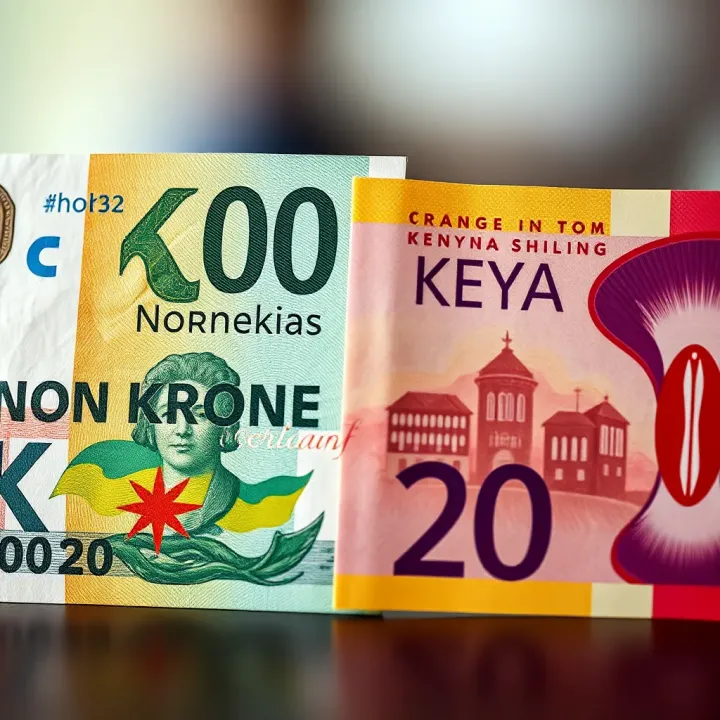
Tracking the exchange rate from the Norwegian Krone (NOK) to the Kenyan Shilling (KES) matters across various sectors—from traders speculating on currency fluctuations to businesses handling import-export deals.
At its simplest, the NOK to KES rate tells you how many Kenyan Shillings one Norwegian Krone can buy. This influences how much it costs for a Kenyan traveler visiting Norway or a Norwegian company paying suppliers in Kenya.
Economic Performance: Norway’s strong economy, backed by oil exports, often stabilizes the Krone, while Kenya's growing but more volatile economy causes shifts in the Shilling’s value.
Interest Rates: Central banks set rates that affect currency attractiveness. Norway’s central bank decisions can push the Krone up or down compared to the Shilling.
Political Stability: Tensions or elections in either country may create risk perceptions, impacting investor confidence and currency strength.
Trade Balance: Kenya’s import-heavy trade versus Norway’s export surplus can tilt supply and demand.
For an investor, knowing the current NOK to KES rate can help decide whether to hold onto assets in either currency or convert now. Businesses based in Kenya importing Norwegian goods pay close attention to rates to manage costs. Travelers exchanging money between these countries want to find the most favorable rates to maximize spending power.
Remember: Exchange rates fluctuate constantly. Watching rates through trusted financial news platforms or forex tools helps you time transactions better.
Check multiple sources like XE, OANDA, or Bloomberg for daily updates.
Understand that rates shown online may differ from what you get at banks or exchange counters due to fees.
For large transfers, consider using brokers specializing in currency exchange for better rates.
The bottom line is, whether you're trading currencies, investing, or managing operations across Norway and Kenya, staying informed about the NOK to KES exchange rate saves money and reduces risk.
The current NOK to KES exchange rate is vital for traders, investors, and businesses involved in transactions between Norway and Kenya. Keeping an eye on this rate helps these groups make informed decisions about currency conversion timing, risk management, and pricing. For example, a Kenyan importer buying Norwegian machinery will want to know exactly how many Kenyan shillings they’ll need to pay to avoid surprises. Similarly, investors trading forex or assessing international portfolios rely on accurate exchange rate data to gauge profitability and exposure.
Recent trends show a slight weakening of the Norwegian Krone (NOK) against the Kenyan Shilling (KES), fueled partly by shifts in commodity prices and monetary policies in Norway. For instance, when oil prices dip—as Norway’s economy links closely to oil exports—NOK often follows suit. Meanwhile, Kenya’s Shilling has held steady thanks to stable foreign reserves and consistent export activity. Traders should note daily volatility can reflect not only economic news but also short-term market reactions. Monitoring these trends lets you spot opportunities for converting currency at more advantageous rates.
Historically, the NOK to KES exchange rate has experienced fluctuations tied to economic cycles and political events in both countries. Over the past five years, for example, a strong Nok in 2018 gave way to dips during global uncertainties like the COVID-19 pandemic. Recently, adjustments in Norway’s interest rates aimed at controlling inflation have impacted the NOK's strength, while Kenya's efforts to attract foreign investment kept the KES relatively firm. Understanding this context helps predict possible future movements, especially when planning longer-term investments or contracts.
Staying updated on both recent trends and historical factors sharpens your view on the NOK to KES rate — crucial for timing currency exchanges and managing financial risk effectively.
By tracking these dynamics, you position yourself to respond to exchange rate changes smartly, minimizing cost and maximizing returns in your international dealings.
Exchange rates between currencies like the Norwegian Krone (NOK) and the Kenyan Shilling (KES) don't just change randomly. Several key factors affect their shifts daily. Understanding these helps traders, investors, and analysts predict movements and make smarter decisions. Here, we break down the main influences on the NOK to KES rate, focusing on economic indicators, political and market changes, and global events shaping currency demand.

Economic numbers often set the tone for currency strength. In Norway, important indicators include oil prices and GDP growth, since the country relies heavily on oil exports. For example, a dip in crude oil prices tends to weaken the Krone because it signals less revenue coming into Norway's economy. On the other side, Kenya’s economy depends a lot on agriculture and services. Key indicators there include inflation rates, which directly impact the Shilling’s purchasing power. High inflation in Kenya generally hurts the KES, making it weaker compared to stable currencies like the NOK.
Other indicators that matter for both countries are interest rates and employment figures. If Norway’s central bank, Norges Bank, raises interest rates, it usually attracts more foreign investment, which pushes the NOK higher. Similarly, if Kenya’s inflation is kept low and stable by the Central Bank of Kenya, investors feel more confident holding KES.
Political stability, policy decisions, and market sentiment have immediate effects on currency values. Norway, with its stable government and strong regulations, typically sees less volatility. Still, political events like elections or major budget announcements can move the NOK. In Kenya, political events—especially around election season—can trigger sharp shifts in the KES as traders respond to potential risks.
Market psychology also plays a role. For instance, if investors suddenly believe Norway’s economy is heading into trouble, they may dump the Krone. On the flip side, positive trade deals or reforms can boost confidence in the KES. These shifts are often rapid and usually reflect how traders view the security and profitability of holding a particular currency.
External events beyond national borders have substantial impacts on NOK/KES rates. Global economic downturns often cause investors to seek safe haven currencies like the US dollar, sometimes leading to less demand for both NOK and KES. However, Norway's heavy oil-export reliance means global oil demand fluctuations drastically affect the Krone’s value.
Meanwhile, Kenya’s currency can be influenced by remittance flows from its diaspora, which can fluctuate based on economic conditions in countries like the US or UK. Also, changes in global trade policies, such as tariffs or sanctions, can alter Kenya's export landscape, thereby impacting KES demand.
Currency rates are not set in isolation—they reflect a mix of economic realities, political climates, and global tides. Staying aware of these helps you make sharper, more profitable moves.
By staying tuned to these factors, you can better understand why the NOK to KES exchange rate moves and anticipate its next steps with more confidence.
Keeping a close eye on the NOK to KES exchange rate is key for investors, traders, and anyone dealing with currency conversions. The rate can shift quickly due to market forces, so getting real-time and accurate data prevents surprises and helps you make informed moves, whether you’re planning trades or budgeting for a business deal.
There’s a wealth of online resources tailored for tracking currency rates. Financial websites like Bloomberg, Reuters, and XE offer up-to-the-minute exchange rate updates and historical data. These platforms pull info directly from interbank markets, making their data more reflective of real trading conditions compared to traditional bank rates.
Apps such as OANDA and Investing.com are popular for quick access on the go. For example, a currency trader using OANDA can set alerts for specific NOK to KES rate levels, reacting swiftly when the market moves. These tools often include graphs, news updates, and analysis that help decode why rates fluctuate.
For the most precise data, the Federal Reserve Economic Data (FRED) site provides official figures and longer-term trends, giving more context to short-term changes.
Tip: Make sure to cross-check rates across a couple of platforms before settling on a number, especially for large transactions.
Spot rates represent the current exchange rate for immediate currency delivery, usually within two business days. When you exchange NOK for KES at the spot rate, you’re dealing with the market conditions at that exact moment. This works well for travelers or small businesses making quick purchases.
Forward rates, on the other hand, are agreed-upon exchange rates set today for currency delivery at a specific date in the future. This approach is a hedge against currency risk. For instance, an exporter in Norway expecting payment in Kenyan shillings three months from now might lock in a forward rate to avoid losing money if the NOK weakens.
Understanding the distinction helps in planning your currency needs better. Forward contracts often involve a premium or discount based on interest rate differences between Norway and Kenya, so it’s wise to consult your bank or currency broker.
Monitoring exchange rates correctly takes more than just glancing at a number. Using reliable tools and grasping the nuances of spot versus forward rates keeps your currency dealings smarter and safer.
Understanding how the NOK to KES exchange rate affects various groups is key for making informed financial decisions. Exchange rates don’t just sit on paper; they ripple through daily life, impacting travelers, businesses, and investors differently.
Travelers moving between Norway and Kenya feel the strain or relief of currency shifts firsthand. For example, if the Norwegian Krone weakens against the Kenyan Shilling, Norwegians traveling to Kenya might get more local currency for their Krone, stretching their vacation budgets further. Conversely, if the Krone strengthens, Kenyan travelers to Norway might face higher costs on accommodation and dining. Staying alert to these fluctuations helps travelers time their currency exchanges better. Services like XE.com or OANDA offer real-time rates that can prevent costly surprises at the airport or local exchange offices.
Businesses involved in trade between the two countries must carefully consider exchange rate changes, which directly affect profit margins. Take a Kenyan coffee exporter shipping beans to Norway: a weaker Krone means the payments received in KES might drop when converted back, squeezing profits. On the flip side, Norwegian companies importing Kenyan goods face higher costs if the Krone loses value, forcing price adjustments. Companies often hedge currency risks through forward contracts to lock in rates and avoid sudden losses. Regularly monitoring exchange rate trends is essential for planning invoices, budgeting, and negotiating contracts.
For investors and currency traders, the NOK to KES pair can present unique opportunities and risks. Emerging market currencies like the Kenyan Shilling may offer higher yields but come with volatility influenced by political events, commodity prices, or economic reports. Traders must track not only the economic health of Norway and Kenya but also global factors such as oil prices or interest rate changes by central banks like Norges Bank or the Central Bank of Kenya. For long-term investors, shifts in exchange rates can affect returns on offshore assets, making it critical to assess currency exposure within diversified portfolios.
Exchange rate fluctuations aren’t just numbers; they guide critical decisions for spending, trading, and investing between Norway and Kenya. Moving ahead with a clear grasp of these practical effects ensures smarter financial choices.
By recognizing how these changes impact different stakeholders, you gain an edge in managing currency risk and capitalizing on favorable movements between the Norwegian Krone and Kenyan Shilling.
Getting a favorable exchange rate when converting Norwegian Krone (NOK) to Kenyan Shilling (KES) isn't just about timing; it's also about knowing where to look and how to avoid extra costs. For traders and investors, knowing these details can make a big difference in your bottom line.
Choosing the right place and timing can save money. Currency markets have their ups and downs, often influenced by Norway’s economic releases or Kenya's central bank moves. For instance, exchange rates tend to shift right after quarterly earnings reports or interest rate announcements. Exchanging currency at airports or hotels, though convenient, usually means accepting lower rates. Instead, consider specialized forex bureaus or banks in major cities like Oslo and Nairobi, which often offer rates closer to the market average.
For example, banks like Chase or Bank of America typically provide competitive rates for USD conversions, but if you’re looking for NOK to KES, international banks with presence in both countries or local forex providers in Nairobi may offer better deals. Monitoring rates early in the week can help avoid weekend spreads when markets are closed.
Fees can silently cut into your gains, so watch for transaction fees, service charges, or poor exchange margins. Some currency exchanges advertise attractive rates but add a processing fee or offer a rate slightly worse than the interbank rate. It’s smart to ask upfront about any hidden costs and compare the total cost, not just the listed rate.
Furthermore, using credit cards or ATMs abroad might trigger foreign transaction fees or unfavorable conversion costs. To dodge this, check your bank’s policies or use cards designed for travelers that waive these fees, like certain Capital One or Charles Schwab accounts.
Remember: The best exchange rate isn’t always the one with the lowest number—it’s the one with the fewest fees and charges.
Digital platforms like Wise (formerly TransferWise), Revolut, or XE have disrupted the way people move money internationally. They often provide close-to-market exchange rates with transparent fees. Using these platforms to convert NOK to KES can avoid traditional banking fees and offer faster transfers.
Banks still play a role, especially for large transactions or when dealing with regulatory compliance. Many banks offer online currency conversion tools where you can lock in favorable rates ahead of your actual exchange. Setting up alerts for rate thresholds can help you act fast when the NOK to KES moves in your favor.
Bottom line: Combining traditional banks with reputable digital platforms maximizes your chances of securing the best deal. Always double-check the exchange rate on multiple sources before committing to a transaction.
By focusing on where and when you exchange your money, keeping an eye on hidden fees, and using modern digital tools alongside banks, you can significantly improve your NOK to KES exchange outcomes. Whether you're a trader aiming for profit or an investor managing currency exposure, these tips pay off in the long run.
Learn the step-by-step process of multiplying binary numbers 🧮, including shift-and-add methods, practical examples, and real computing uses in Kenya's tech scene 🇰🇪.

Explore non-binary gender in Kenya 🇰🇪, learning key definitions, cultural views, common challenges, and ways to encourage respect and support in our communities.

🔢 Learn how binary counters operate in digital electronics, their wiring basics, types, and real uses in Kenya—from simple computing to everyday digital devices.

Manage supply chain risks in Kenyan businesses with practical strategies, tech tools, and strong governance for smooth operations and resilience 🛠️🚚
Based on 15 reviews