

Understanding Non-Binary Gender in Kenya
Explore non-binary gender in Kenya 🇰🇪, learning key definitions, cultural views, common challenges, and ways to encourage respect and support in our communities.
Edited By
Henry Dawson
The New Zealand dollar (NZD) to Kenyan shilling (KES) exchange rate for September 2026 depends on several concrete factors influencing both economies. Here’s an overview that matters for traders, investors, analysts, brokers, and educators alike.
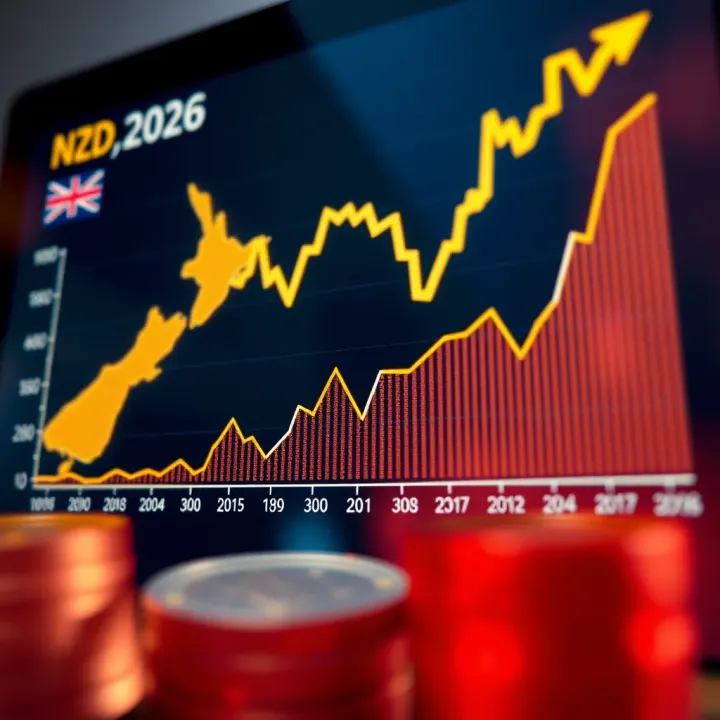
Trade Relations: New Zealand exports dairy and agricultural products globally, while Kenya's economy is strongly tied to agriculture and tourism. Any shifts in trade policies or tariffs between New Zealand, Kenya, and their trading partners will impact currency demand. For example, if Kenya boosts imports from New Zealand due to favorable trade agreements, the NZD could strengthen slightly against the KES.
Inflation Rates: Inflation differentials play a direct role in exchange rate movements. New Zealand’s inflation, influenced by the Reserve Bank of New Zealand’s monetary policies, typically stays within a target band around 1-3%. Meanwhile, Kenya’s inflation has been more volatile, driven by commodity prices and domestic factors like food costs. A rising inflation gap could weaken the shilling against the dollar.
Monetary Policy: The Federal Reserve's rate decisions indirectly affect the NZD/KES pair since global dollar flows impact emerging market currencies. Both the Reserve Bank of New Zealand and the Central Bank of Kenya adjust interest rates based on inflation and economic growth. For example, a rate hike in New Zealand could attract more investors to the NZD, lifting its value.
Looking back over the past five years, the NZD/KES rate has shown moderate volatility, influenced by:
Global commodity prices
Political events in Kenya, such as elections or policy reforms
Shifts in New Zealand’s export demand
For instance, during global economic uncertainty in early 2020, the shilling weakened notably against the NZD due to risk aversion and reduced foreign investment flows.
Market sentiment driven by global events like COVID-19 recovery, geopolitical tensions, or changes in commodity markets can lead to sudden swings. Investors should watch for:
Political stability in Kenya
Updates on New Zealand’s trade partnerships
US dollar trends, as they can influence emerging market currencies
The bottom line is, understanding these factors will better prepare you to anticipate how the NZD/KES exchange rate might shift in September 2026 and beyond.
Staying informed about these economic indicators and global trends provides a strategic edge for trading or investment decisions involving the New Zealand dollar and Kenyan shilling pair.
Grasping the fundamentals of the New Zealand dollar (NZD) to Kenyan shilling (KES) exchange rate is vital for anyone dealing with these currencies, whether you’re a trader, investor, or business professional. Exchange rates drive the cost of goods, investments, and capital flows between these two countries, so they directly impact decisions ranging from import pricing to portfolio allocations.
Exchange rates hinge largely on supply and demand dynamics in the foreign exchange market. When traders and investors want to buy NZD using KES, the demand for NZD rises, pushing its value higher against KES. Conversely, if more people sell NZD for KES, the NZD weakens. For example, if New Zealand’s dairy exports surge, causing more foreign buyers to purchase NZD to pay for goods, demand for NZD grows, strengthening it against KES.
This interplay is constantly shifting as traders react to news, economic data, and speculation, making currency pairs like NZD/KES fluctuate throughout the day. Understanding how these market mechanisms operate helps forecast short-term movements and timing conversions effectively.
Economic indicators such as GDP growth, inflation rates, and unemployment figures in each country significantly influence their currencies. Strong economic data from New Zealand, like higher GDP growth or stable inflation, tends to boost the NZD because it signals a healthy economy that might attract foreign investment.
In Kenya’s case, robust economic performance or rising export revenues can strengthen the shilling. However, if inflation spikes rapidly in Kenya while New Zealand remains stable, KES may weaken relative to NZD, reflecting differing purchasing power.
For instance, if Kenya's inflation jumps to 10% while New Zealand holds steady at 2%, the real value of the shilling erodes compared to the NZD, influencing the exchange rate.
Central banks play a major role by setting interest rates and guiding monetary policy. The Reserve Bank of New Zealand (RBNZ) adjusting rates upward typically attracts capital seeking higher yields, boosting NZD demand. Meanwhile, if the Central Bank of Kenya tightens its policy by raising rates to curb inflation, the shilling could appreciate.
Policy announcements or unexpected changes can trigger swift moves in NZD/KES. For example, if RBNZ signals upcoming rate hikes while Kenya’s central bank warns of easing, traders might sell KES in favor of NZD, shifting the exchange rate noticeably.
Currency fluctuations affect the price competitiveness of goods. A stronger NZD makes New Zealand exports more expensive for Kenyan buyers, potentially reducing demand. Conversely, a weaker NZD makes Kenyan imports pricier, squeezing profit margins or raising costs for consumers.
Take a Kenyan agricultural company that imports dairy equipment priced in NZD: if the NZD gains against KES, their import bill grows, forcing them to either absorb costs or raise local prices.

Exchange rates influence where investors put their money. If NZD is expected to strengthen, foreign investors might increase holdings in New Zealand assets to capitalize on currency gains plus returns. Meanwhile, if KES is seen as unstable, investors might hesitate to commit capital to Kenya, slowing inward foreign direct investment (FDI).
Businesses often watch these trends closely; for example, a New Zealand firm expanding operations in Nairobi will assess currency risks to decide when and how much to invest.
Both large companies and everyday consumers feel the effects of exchange fluctuations. Businesses dealing internationally must manage risks to avoid unexpected losses, often by using hedging tools. Consumers buying imported goods or traveling abroad also see direct impact — a weaker KES versus NZD means paying more for New Zealand products or vacations.
Understanding these currency factors equips stakeholders to make smarter decisions, whether it’s locking in prices, timing transactions, or interpreting market signals.
Economic indicators directly influence the exchange rate between the New Zealand dollar (NZD) and Kenyan shilling (KES). Understanding these factors helps traders, investors, and analysts anticipate currency movements and make better decisions. Both national economic performance and monetary policies play key roles, impacting investor confidence and cross-border trade flows.
GDP growth and employment trends shape how strong the NZD will be. Steady GDP growth usually signals a healthy economy, attracting foreign investment which boosts demand for the NZD. For example, New Zealand’s agriculture and tech sectors have seen steady expansion, supporting job creation. If employment trends strengthen, consumer spending tends to rise, further solidifying the currency.
Inflation rates and monetary policy direction also matter a lot. New Zealand’s central bank closely monitors inflation, aiming to keep it near 2%. If inflation creeps higher, the Reserve Bank often raises interest rates to cool prices, making NZD assets more attractive. Conversely, low inflation might keep rates steady or lower, which can weaken the NZD. Investors watch these moves, adjusting their currency positions accordingly.
Trade balance and commodity prices are crucial because New Zealand heavily depends on exports like dairy and timber. If commodity prices slip, export revenues decline, reducing demand for NZD. Conversely, a surplus trade balance strengthens NZD by increasing foreign currency inflows. For example, a rise in global dairy prices in early 2026 could lift NZD value against KES by boosting export earnings.
Economic growth projections for Kenya set expectations for the KES’s strength. Kenya’s expanding tech sector and infrastructure development hint at solid growth in 2026. When growth outpaces inflation, the shilling can gain ground. But if growth slows, investors might view the KES as riskier, leading to depreciation.
Inflation and interest rate developments in Kenya have a direct effect. Kenya’s inflation has been volatile, pushing the central bank to adjust interest rates frequently. Higher rates attract foreign capital by offering better returns on Kenyan assets, supporting KES demand. However, if inflation remains stubbornly high, real returns might fall, discouraging investment and weakening KES.
Key export and import dynamics affect currency demand too. Kenya exports tea, coffee, and horticultural products while importing machinery and petroleum. A rise in import costs or a drop in export prices hurts the trade balance, pressuring KES. For instance, if global oil prices surge, Kenya faces higher import bills, potentially weakening KES versus NZD.
Keeping an eye on these economic developments from both countries gives a clearer picture of NZD/KES exchange rate movements for September 2026. Understanding these factors helps market players anticipate risks and opportunities in this currency pair.
Understanding the historical performance of the NZD/KES exchange rate offers crucial insight for traders, investors, and businesses. Past trends reveal how this currency pair reacts to economic changes, market sentiment, and external shocks. This historical view aids in identifying patterns, helping forecast potential future movements, which is key for risk management and strategic planning.
Over the past year, the NZD/KES exchange rate has shown noticeable volatility, reflecting fluctuations in commodity prices and varied economic recovery rates between New Zealand and Kenya. The average rate hovered around 59 KES per 1 NZD, but frequent swings of 2-3% within short periods were common. This level of volatility matters for businesses importing goods between the two countries because unpredictable costs can affect profit margins.
For investors, understanding this volatility means timing currency conversions to avoid unnecessary losses. For example, an agriculture export company in New Zealand might decide when to convert payments from shillings to dollars based on observed exchange rate dips or peaks.
Several sharp movements occurred in reaction to events like New Zealand’s interest rate adjustments in late 2025 which strengthened the NZD temporarily. Conversely, Kenyan inflation spikes in early 2026 weakened the KES. Additionally, global commodity price changes, especially for dairy (a key New Zealand export), directly impacted the NZD’s strength versus KES.
These fluctuations underscore the importance of keeping an eye on economic data releases and central bank announcements. They help clarify why the exchange rate jumps or drops, which can inform better decision-making for those exposed to currency risk.
Looking at the five-year horizon, the NZD/KES rate has generally trended upward, indicating a steady strengthening of the New Zealand dollar against the Kenyan shilling. This aligns with New Zealand’s sustained economic growth and relatively stable inflation. Over these years, average annual gains ranged from 1.5% to 3%, a slow but consistent appreciation noteworthy for long-term investors.
Such long-term trends help businesses planning multi-year projects or investments budget their currency risk better. For example, a Kenyan company importing New Zealand machinery might expect higher costs over time, so they could lock in rates in advance or negotiate terms accordingly.
Global events like the COVID-19 pandemic initially caused high uncertainty, pushing the NZD/KES into sharp decline due to disrupted supply chains and reduced trade. Later, as vaccination efforts picked up and economies reopened, the NZD gained strength reflecting market confidence in New Zealand’s pandemic response.
More recently, fluctuations due to geopolitical tensions affecting global trade routes and inflationary pressures in both economies influenced the pair too. These examples show that unexpected external events can seriously shift currency valuations beyond fundamental economic indicators, reminding traders and investors to factor in such global risks.
Historical analysis isn't just about looking backward; it's a practical guide that helps you understand what conditions may sway exchange rates next. Using past performance as context adds an edge in this uncertain forex environment.
With these historical insights, anyone involved with the NZD/KES exchange can approach September 2026 with a clearer perspective on what the market might throw their way.
Global events and market sentiment play a significant role in shaping the NZD/KES exchange rate. Traders and investors closely watch international developments that could disrupt trade flows, affect economic stability, or shift investment trends between New Zealand and Kenya. Understanding these influences helps anticipate currency swings and positions you better to manage risks or seize opportunities.
Trade agreements, whether bilateral or multilateral, directly affect currency pairs like NZD/KES by altering trade volumes and investment flows. For example, if New Zealand enters a new trade deal with East African nations including Kenya, this could boost agricultural exports like dairy and wine from New Zealand to Kenya, strengthening demand for NZD. Conversely, if Kenya expands trade partnerships with countries outside New Zealand’s key markets, the shilling might gain strength due to diversified economic ties.
Changes in tariffs and trade policies tied to such agreements also shift currency values. Suppose Kenya reduces import tariffs on New Zealand goods following a trade deal. This would lower costs for Kenyan buyers, potentially increasing demand for NZD and raising its value against the shilling. On the flip side, if either country raises barriers or delays trade due to policy shifts, uncertainty rises, often weakening their currency as investors seek safer assets.
Geopolitical tensions, like regional conflicts or international sanctions, cause rapid reactions in currency markets. If East Africa faces political unrest, the Kenyan shilling could weaken as foreign investors pull out. Similarly, if New Zealand's trade routes face disruptions due to geopolitical disputes in the Pacific, the NZD might drop. Such tensions often trigger short-term volatility but can have lasting impacts on trade confidence.
Global inflationary pressures also affect NZD/KES rates. For instance, if worldwide commodity prices spike due to supply chain issues, Kenya—being a net importer of oil and other goods—might see inflation surge, pressuring the shilling downward. Meanwhile, if New Zealand’s central bank hikes interest rates to tame inflation, the NZD could strengthen, widening the exchange rate gap. Crises like pandemics or financial shocks often exacerbate these movements, making it essential to stay alert to global economic signals.
Staying informed about trade deals, tariffs, and geopolitical shifts is critical for anyone dealing with NZD/KES, as these factors steer market sentiment and currency value significantly.
These aspects remind traders and businesses that exchange rates don’t just respond to local factors but are deeply entwined with global economic and political currents. Keeping an eye on these signals will help in timing transactions and managing currency exposure more effectively.
Understanding how the NZD/KES exchange rate might behave in September 2026 is more than an academic exercise—it has real impact on anyone dealing across these currencies. For businesses, especially exporters and importers, fluctuations can eat into profit margins or open up new opportunities. Travelers from New Zealand visiting Kenya (or vice versa) have to reckon with how far their money will go when it’s converted. Having practical insights helps these groups plan better, avoid costly mistakes, and maximize financial outcomes.
Hedging is like buying insurance against unfavorable currency shifts. Imagine a Kenyan importer who knows they need to pay suppliers in New Zealand dollars three months from now. Locking in the current exchange rate with a forward contract can protect the importer if the NZD strengthens against the KES. This controls costs and prevents last-minute rate shocks that could strain budgets.
While hedging isn’t free, its value shines in a volatile market. For businesses with predictable payment timelines, forward contracts are a practical way to stabilize expenses. Traders and investors also use options and swaps, but for SMEs, straightforward tools like forwards tend to be the most accessible.
Timing your currency exchanges can significantly affect outcomes. For example, if historical trends show that the NZD often dips against the KES mid-quarter due to seasonal trade factors, businesses might schedule payments outside that window. Similarly, casual travelers can monitor rates and exchange when conditions appear favorable rather than at airports or last minute.
However, timing is tricky and not guaranteed. It requires watching market events, economic reports, and geopolitical news closely. Many use apps or alert services that notify them of rate shifts exceeding a set threshold, helping avoid missing an ideal moment.
The difference between exchange rates and fees offered by banks, forex brokers, or money transfer services can add up. For instance, major banks like Chase or Bank of America might offer convenience but with wider spreads or added fees. Specialized forex brokers often provide tighter rates and lower fees, especially for larger transactions.
Businesses and travelers should compare options, ask about hidden fees, and choose providers known for transparency. Services like TransferWise (now Wise) or OFX often get high marks for competitive pricing and clear terms. Negotiating rates is possible for high-volume business customers.
Regularly tracking economic indicators such as New Zealand’s trade balance releases or Kenya’s inflation reports helps anticipate rate swings. For example, if New Zealand’s central bank signals a rate hike, it might boost the NZD. Being aware lets traders and businesses react proactively rather than reactively.
This proactive approach extends to global risk factors too—like commodity price shocks or geopolitical tensions—that sway investor sentiment. While perfect prediction is impossible, consistent vigilance narrows guesswork and improves decision timing.
Bottom line: Smart strategies combining hedging, timing, and savvy provider choice give businesses and travelers an edge managing NZD/KES exchange risk effectively in September 2026.
Explore non-binary gender in Kenya 🇰🇪, learning key definitions, cultural views, common challenges, and ways to encourage respect and support in our communities.

Manage supply chain risks in Kenyan businesses with practical strategies, tech tools, and strong governance for smooth operations and resilience 🛠️🚚

Explore what life as a non-binary woman looks like in Kenya. Understand identity, challenges, and how to foster respect and inclusion 🌈👩🦰

Explore non-binary sexuality 🌈: understand its link to gender identity, sexual orientation, common experiences, and why respect and inclusion matter in Kenyan society.
Based on 7 reviews