

Strategic Risk Management for Kenyan Businesses
Learn how Kenyan businesses can spot and handle strategic risks affecting their goals. Get practical tips for integrating risk management into daily decisions 📊
Edited By
Edward Bennett
Risk management frameworks are vital tools for organisations to keep their operations steady despite uncertainty. These frameworks help businesses in Kenya identify risks — whether financial, operational, or environmental — assess their impact, and then put measures in place to reduce harm or seize opportunities.
Kenyan traders and investors often face risks linked to fluctuating exchange rates, unpredictable weather affecting agriculture, or regulatory changes. Having a clear framework means these risks are not dealt with on an ad-hoc basis but are systematically managed through tried and tested steps.
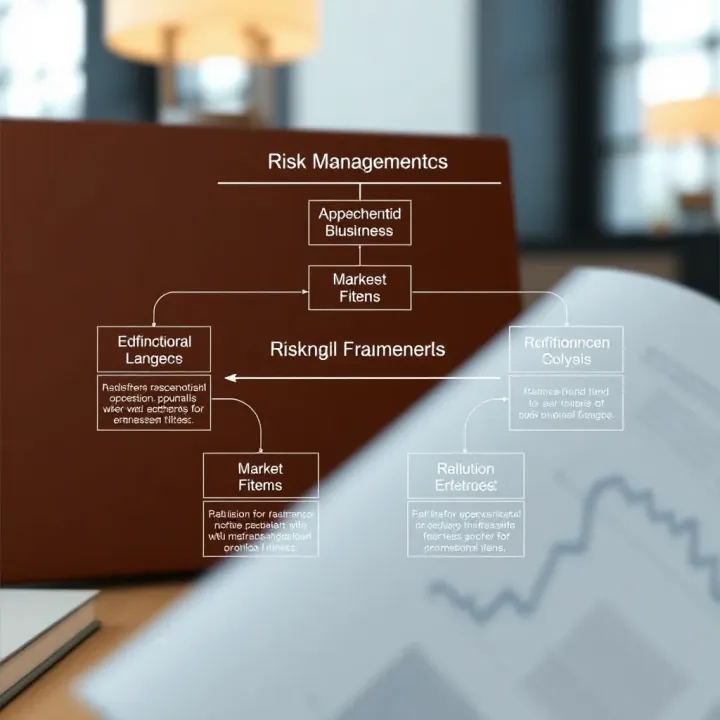
A typical risk management framework includes several key components:
Risk identification: Spotting potential threats such as fraud, market volatility, or supply chain disruptions.
Risk assessment: Evaluating how likely and severe each risk could be.
Risk mitigation: Deciding on strategies like insurance, diversifying suppliers, or strengthening internal controls.
Monitoring and review: Continuously checking the effectiveness of risk responses and adapting to new circumstances.
Organisations that adopt structured risk management frameworks improve their chances of survival and growth by turning uncertainty into manageable factors.
For example, a Nairobi-based exporter might face currency risk due to the Kenyan shilling’s fluctuations against the US dollar. By applying a risk management framework, the exporter can assess the potential loss, hedge through forward contracts, and monitor currency trends regularly.
Implementing such frameworks in Kenyan organisations requires understanding local business environments and legal considerations. Many Kenyan SMEs and large enterprises use common models like COSO (Committee of Sponsoring Organisations) or ISO 31000 as starting points but customise them to fit their needs and local regulatory guidelines.
In the coming sections, we will explore practical steps to choose and tailor these frameworks, address typical challenges, and highlight benefits experienced by Kenyan organisations that integrate risk management firmly into their daily operations.
Risk and uncertainty are part and parcel of any business, including those in Kenya’s vibrant economic landscape. Risk refers to situations where the outcome might affect your organisation negatively, while uncertainty covers broader unknowns that are harder to predict. For instance, a trader in Nairobi might face risks such as currency fluctuations or supply chain delays, while still dealing with uncertainties like sudden policy changes or market sentiment shifts.
A risk management framework offers a structured approach to spot, measure, and handle such risks. Rather than leaving action to chance, the framework helps organisations plan ahead, ensuring they don’t get blindsided by threats. Imagine a small manufacturing firm in Thika that uses a risk framework to identify machinery breakdown as a risk — they then set aside budget for timely maintenance or replacement, reducing costly downtime.
The main purpose of a risk management framework is to create clear guidelines and processes for handling risks consistently across an organisation. It moves risk handling from a random, reactive approach to a deliberate, proactive one. This way, every department understands its role, and the business stays aligned in facing potential challenges.
For Kenyan businesses, especially SMEs, having this structure means they can operate with more confidence. It’s not just about avoiding losses but also about seizing opportunities — knowing when a risk is worth taking because the possible rewards are clear and manageable.
Having a solid risk management system helps businesses limit avoidable losses. For example, a company relying on seasonal crops may use climate data and past trends to prepare for drought or floods, ensuring continuity despite harsh conditions. By identifying such threats early, they can diversify suppliers or adjust production timelines.
Structured management also builds resilience, meaning the business can recover faster when problems occur. If a Kenyan logistics company has contingency plans for matatu strikes or road closures, they can reroute deliveries quickly, reducing customer disruption.
Kenyan organisations face numerous regulations—from tax filings with the Kenya Revenue Authority (KRA) to health and safety standards enforced by local county offices. A risk framework helps ensure the business keeps up with these demands, avoiding penalties or shutdowns.
Take financial institutions regulated by the Central Bank of Kenya (CBK); they must meet strict risk controls to safeguard deposits. Having a comprehensive framework helps these banks meet regulatory requirements consistently and maintain stakeholder trust.
A well-crafted risk management framework isn’t just a tool for avoiding trouble—it’s a map guiding Kenyan businesses through the challenges unique to our environment, helping them grow and thrive with confidence.
By getting clear on what risk management frameworks mean and why they matter, Kenyan traders, investors, analysts, and educators can better appreciate the value in adopting these practical systems. This knowledge forms the foundation for implementing effective risk controls that actually work in local business settings.
Effective risk management hinges on identifying, assessing, mitigating, and monitoring risks throughout an organisation. For Kenyan businesses operating in diverse sectors, understanding and implementing these key components ensures they can navigate uncertainties without jeopardising operations or growth.
Risk identification often starts with brainstorming sessions involving various department heads to spot possible risks—from supply chain disruptions to currency fluctuations affecting import costs. Many Kenyan SMEs rely on tools like SWOT analysis (Strengths, Weaknesses, Opportunities, Threats) to pinpoint internal and external risks. Additionally, interviews with frontline workers provide hands-on insights, especially in sectors like agriculture or manufacturing where seasonal changes and equipment maintenance pose constant uncertainties.
After listing potential risks, organisations assess both their chances of occurring and possible consequences. For example, a Nairobi-based exporter might judge the likelihood of forex volatility as high, with a severe impact on profit margins. The assessment helps prioritise risks; those with higher probability and greater damage merit urgent attention. This process avoids spreading resources thin and focuses effort on the risks that could truly shake the business.
Avoidance involves steering clear of risky activities entirely—like a food retailer choosing not to source from unreliable suppliers prone to delivery delays. Reduction means taking steps to lessen risk effects, such as installing backup generators to reduce the impact of power outages common in some Kenyan regions. Both strategies demand clear policies and regular review to adapt to changing conditions.
For risks that can’t be avoided or reduced easily, firms consider shifting the burden. Insurance policies covering fire, theft, or political unrest protect assets against unpredictable events. Contracts with clear clauses can also assign liability, ensuring suppliers or service providers share responsibility for failures. This approach helps maintain financial stability, especially for businesses vulnerable to operational halts.
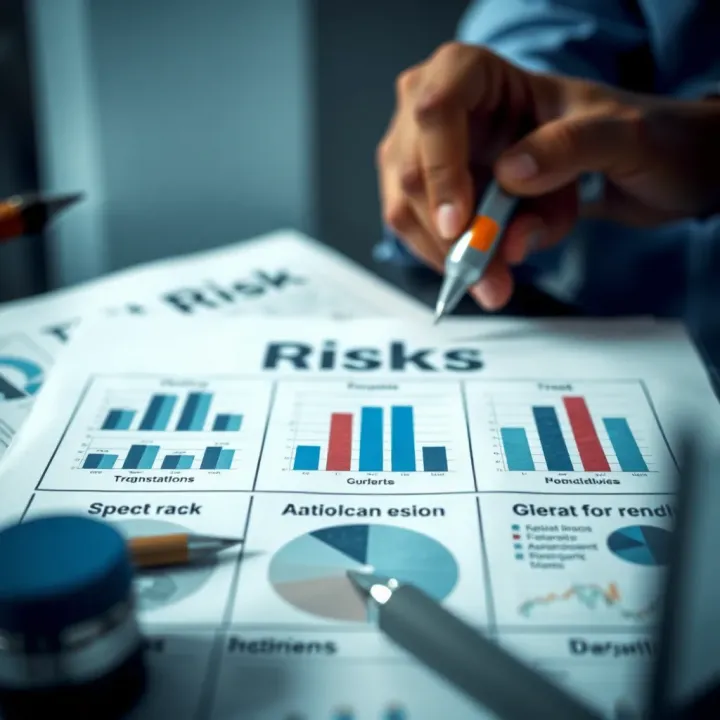
Keeping an eye on risks requires tools that are affordable and user-friendly. Many Kenyan firms use Excel-based risk registers updated monthly to log new risks, status changes, and mitigation progress. Larger businesses may adopt specialised software that flags emerging risks in supply chains or financial markets. Regular reviews ensure no risk goes unnoticed as conditions evolve.
Clear communication is vital to effective risk management. Using familiar platforms like WhatsApp groups for quick alerts or weekly meetings where risk reports are discussed keeps staff informed and accountable. When risks are openly shared across departments, it fosters a proactive culture where employees feel responsible for spotting and reporting issues early.
Organisations that actively integrate these components into daily routines often bounce back faster when challenges arise and maintain trust with stakeholders by showing control over uncertain situations.
In sum, Kenyan organisations equipped with practical risk identification methods, targeted mitigation plans, and steady monitoring systems stand better chances of sustaining growth while managing uncertainties effectively.
Understanding popular risk management frameworks helps organisations pinpoint the best fit for their size, sector, and local environment. These models bring tested methods and practical guidelines, making risk management less abstract and more actionable. Kenyan businesses, whether small or large, can draw on these frameworks to structure their approach and meet both regulatory and market expectations.
ERM offers a comprehensive view of risks across all parts of an organisation, from finance and operations to reputation and compliance. Instead of handling risks in isolation, ERM links them through a central process, making it easier to identify emerging threats and understand how one risk may influence others. For example, a bank in Nairobi might use ERM to track credit risk, cyber threats, and operational disruptions within a single framework, avoiding gaps that could cause larger losses.
This approach is particularly useful in today’s fast-changing business environment, allowing leadership to prioritise risks, allocate resources better, and make strategic decisions based on a full picture rather than fragmented reports.
Although ERM originated with large corporations, many Kenyan small and medium enterprises (SMEs) find value in scaling it to their needs. A medium-sized manufacturer in Athi River, for example, can implement a simplified ERM model to address supply chain risks, machinery breakdowns, and market fluctuations.
For larger organisations, such as Safaricom or Equity Bank, ERM is already embedded into governance frameworks, ensuring compliance with Kenya’s regulatory environment and international standards. Whether small or big, ERM’s adaptability means it can align risk management with business goals and growth strategies effectively.
ISO 31000 provides clear principles emphasising integration, structured processes, and customised approaches to risk. It encourages organisations to embed risk management in corporate culture and decision-making rather than treating it as a separate activity. For Kenyan organisations, this means developing processes that suit their specific operations, while following global best practices.
Key principles include creating value through risk management, considering human and cultural factors, and continuous improvement. An example is a Nairobi-based logistics firm adapting ISO 31000 to tackle transport delays and fuel price changes by routinely reviewing and updating their risk plans.
Adoption of ISO 31000 in Kenya supports compliance with sectoral regulations and facilitates smoother interactions with international partners. For instance, manufacturing companies exporting goods can show they meet internationally recognised risk standards, easing inspections and approvals.
Moreover, ISO 31000 can help Kenya’s financial institutions align with the Central Bank of Kenya’s guidelines on operational risk and anti-money laundering controls. Its flexible framework means organisations can build their own risk profile while assuring regulators and clients of a structured, responsible approach.
The banking sector in Kenya deals with unique risks including credit risk, liquidity risk, market volatility, and fraud. To address these, institutions use frameworks aligned with the Basel Accords, which guide capital adequacy and risk management standards globally.
These models help banks like KCB and Cooperative Bank measure capital buffers against risks and prepare for shocks such as interest rate spikes or economic downturns. They combine quantitative tools like stress testing with governance measures to ensure sound decision-making.
Manufacturing firms focus on risks from supply chain disruptions, machinery failures, and safety hazards. Frameworks here often blend workplace health and safety standards with operational risk management. For example, a factory in Mombasa can adopt safety frameworks combined with risk assessment matrices to prevent downtime.
Agriculture faces risks from weather changes, pests, and market prices. Kenyan farmers or agribusinesses use frameworks that integrate climate risk models with financial tools like crop insurance. This approach is vital during drought seasons, mitigating losses and improving resilience.
Popular risk management models bring clarity and structure, making it easier for Kenyan organisations to adapt responses fitting their realities and growth aspirations. Choosing the right model depends on sector, size, and specific risk profiles, but these frameworks serve as valuable guides.
Implementing risk management frameworks in Kenyan organisations is more than a tick-box exercise; it directly strengthens how companies navigate uncertainties common in Kenya’s dynamic markets. From fluctuating commodity prices affecting farmers to compliance hurdles faced by SMEs, a solid framework helps firms identify, assess, and prepare for risks before they cause serious setbacks. Getting this right improves business continuity, builds stakeholder confidence, and aligns operations with both local regulations and international best practices.
Understanding a company's risk appetite means deciding how much uncertainty the organisation is willing to accept to achieve its goals. For example, a Nairobi-based export business may tolerate certain supply chain delays but not regulatory breaches that could lead to fines. Crafting clear policies around this appetite sets boundaries for decision-making and helps prioritise where to focus risk controls.
This step requires involving key leaders who understand operational realities and market pressures. Practical policies incorporate risk thresholds relevant to sectors like finance or agriculture, where Kenyan firms face distinct challenges, such as fluctuating foreign exchange rates or unpredictable weather patterns.
A risk management framework only works if everyone knows their part. Assigning clear roles ensures accountability—from the board setting overall risk direction to frontline staff reporting issues.
In Kenyan organisations, this may mean designating specific risk officers, or in smaller firms, assigning risk duties across existing staff. For instance, a bank may have a dedicated risk committee, while a jua kali workshop owner might take on direct oversight. Clear role allocation builds discipline and ensures that risk is managed throughout the organisation, not just as a side activity.
Many Kenyan companies face tight budgets and scarce specialised risk skills. This challenge calls for practical approaches, like partnering with advisory firms or using simplified frameworks tailored to local needs rather than copying large multinational models.
For example, an SME in Mombasa might start with a basic risk register and conduct quarterly reviews rather than attempt costly, complex systems. Capacity building through training or leveraging government initiatives focused on enterprise development can also boost internal risk capabilities over time.
Embedding risk awareness into everyday work habits is vital. It’s about shifting mindsets so that employees naturally spot and report risks without fear or delay.
In Kenya, where many organisations operate in fast-changing environments, cultivating this culture means leadership demonstrating openness to learning from mistakes and rewarding proactive risk management. Small steps, like regular risk discussions during team meetings or simple reporting channels, go a long way.
A risk-aware culture empowers every staff member to become a ‘first line of defence’ against emerging threats, reducing surprises.
Modern software can simplify managing risk data and provide real-time insights. Kenyan firms are increasingly using cloud-based tools which are affordable and reduce the need for heavy in-house IT investments.
For instance, platforms like RiskWatch or off-the-shelf spreadsheets with dashboards allow companies to track key risks such as customer payment delays or supply interruptions. Such tools also support scenario analysis for better decision-making.
Given Kenya’s wide mobile penetration, using mobile apps or SMS-based systems enables quicker communication of risks from remote sites.
Agricultural companies in Rift Valley, for example, might deploy mobile surveys to monitor weather risks or pest outbreaks reported directly by field teams. This immediacy helps managers act faster, reducing losses.
Adopting these digital avenues ties well with local realities where physical meetings can be costly or impractical, making risk management more inclusive and timely.
Implementing risk management frameworks in Kenyan organisations involves practical steps, overcoming distinctive challenges, and embracing technology that fits local contexts. This approach enhances resilience and supports more informed, confident business decisions.
A well-designed risk management framework guides Kenyan organisations to identify challenges early and plan responses efficiently. This proactive approach minimises losses and supports better decision-making across all levels. For traders and investors, such frameworks offer a clearer picture of business risks, allowing for strategic moves that safeguard assets and capital.
How risk insight supports strategic planning: Having detailed risk insights directly improves an organisation’s strategic planning. When businesses understand their potential hazards—from supply chain disruptions to currency fluctuations—they can set realistic targets and allocate resources more wisely. For example, a manufacturer in Nairobi might use risk analysis to choose suppliers less affected by seasonal weather, ensuring steady production and stable costs.
With accurate risk data, decision-makers avoid knee-jerk reactions. Instead, they build contingency plans and adapt quickly when conditions change. This is particularly important in Kenya’s volatile economic environment where factors like inflation rates and government policy may shift unexpectedly.
Ensuring operations withstand shocks: A robust framework strengthens business continuity by preparing organisations for shocks like political unrest or disruptions in energy supply. Matatus running late due to a strike, or power outages affecting factories, can cause losses. Businesses with tested continuity plans recover faster, limiting downtime and maintaining customer trust.
Take, for example, a tech startup in Nairobi that employs cloud backups and has fallback communication channels. When internet outages occur, they maintain operations with minimal interruption, unlike competitors who experience costly delays. Such preparedness stems from embedding risk considerations into everyday operations.
Meeting regulatory requirements effectively: Kenyan businesses operate under numerous regulations set by bodies like the Capital Markets Authority (CMA) and Kenya Revenue Authority (KRA). A structured risk management framework helps meet these standards systematically, reducing chances of penalties.
For instance, a bank following the Risk-Based Supervision guidelines can identify gaps in compliance early and take corrective steps, avoiding fines and reputational damage. Being proactive about regulation also smooths audits and inspections, saving time and costs.
Building investor and customer confidence: Demonstrating strong risk management reassures investors and customers that the organisation is reliable. Investors are more likely to back companies that show they manage financial and operational risks well, especially in sectors like agriculture or real estate where uncertainties are high.
Customers, too, value stability. A retailer who manages supply risks effectively ensures shelves stay stocked, building customer loyalty. In turn, this steady performance attracts more investment and supports business growth.
Effective risk frameworks form the backbone of resilient Kenyan organisations — they protect value, boost credibility, and support sustainable growth in uncertain times.
Improved foresight on market and operational risks
Stronger ability to maintain core business functions during crises
Clearer compliance with local and sector regulations
Enhanced trust from investors, customers, and partners
Organisations that embed risk management into their culture gain a competitive edge by staying ahead of challenges rather than reacting to them.
Learn how Kenyan businesses can spot and handle strategic risks affecting their goals. Get practical tips for integrating risk management into daily decisions 📊

📊 Learn how Kenyan businesses can spot and manage market, credit, and operational risks effectively, using local tools to protect growth and stability. 💼
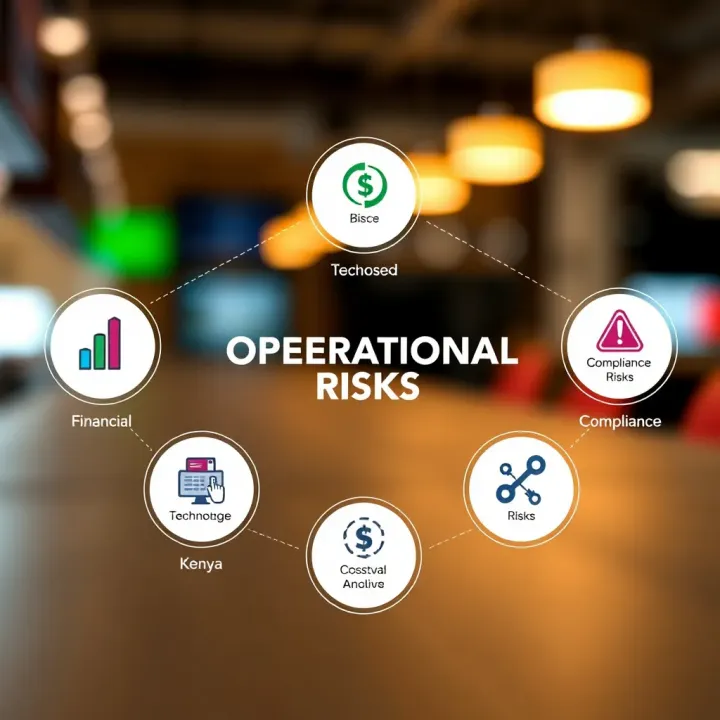
Learn how Kenyan businesses can identify, assess, and control operational risks with local insights. Includes tech use and regulatory tips 📊 to protect your venture.

Master risk management for Kenyan businesses 📈 Learn practical ways to identify, analyse, control, and finance risks to safeguard your enterprise locally and grow with confidence.
Based on 12 reviews