

Risk Management in Finance for Kenyan Businesses
📊 Learn how Kenyan businesses can spot and manage market, credit, and operational risks effectively, using local tools to protect growth and stability. 💼
Edited By
Amelia Brooks
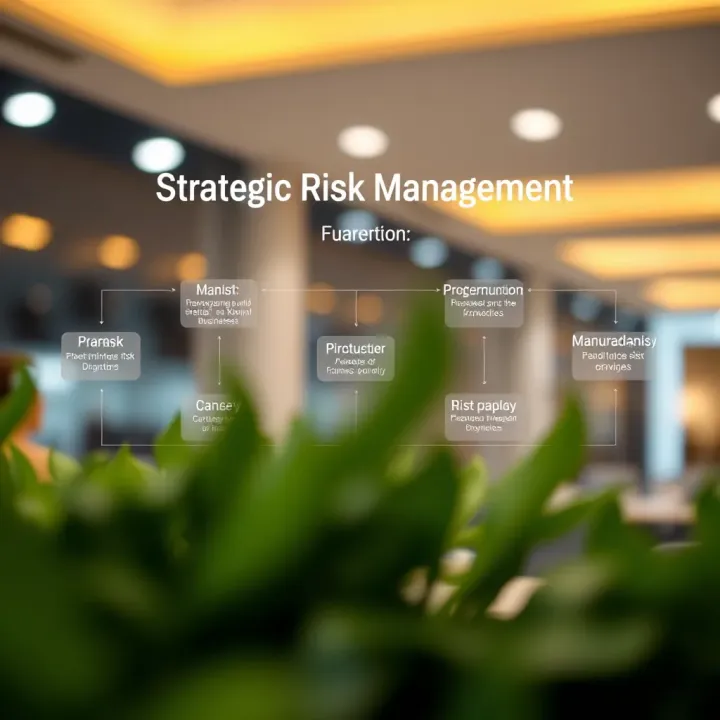
Strategic risk management simply means spotting and handling risks that could stop a business in Kenya from reaching its long-term goals. Unlike day-to-day risks such as theft or small equipment failure, strategic risks affect the very direction a company takes. For example, a Kenyan exporter facing changes in international trade laws or currency fluctuations must manage these strategic uncertainties carefully.
These risks often stem from factors like shifts in government policies, market competition, technology changes, or even consumer behaviour. A mobile money provider in Nairobi, for instance, needs to anticipate how regulations from the Central Bank of Kenya might affect its services over time.

Understanding strategic risks helps traders, investors, and analysts make smarter decisions. Kenyan businesses that fail to manage these risks can lose out on big opportunities or face unexpected losses. On the flip side, firms that actively assess and respond to strategic risks tend to stay ahead — adjusting their business plans or diversifying products when needed.
Strategic risk management is not just about avoiding threats; it’s about making sure your business stays relevant and competitive as conditions evolve.
To handle strategic risks, Kenyan businesses should:
Identify key risks: Know the internal and external factors that could impact goals, such as political changes, supply chain disruptions, or currency volatility.
Assess potential impact: Evaluate how each risk might affect operations or profits. For example, consider how a change in tax policy could hit small businesses in Mombasa.
Develop response plans: Decide whether to avoid, reduce, share, or accept each risk. This could mean investing in alternative suppliers or digital platforms.
Integrating risk management with daily decision-making is vital. Rather than treating it as a one-time activity, Kenyan companies should embed this thinking in strategy meetings, budgeting, and market analysis. Tools like risk registers, scenario planning, and dashboards can help track risks consistently.
In short, strategic risk management provides Kenyan businesses with a structured way to face future uncertainties. This leads to better choices, stronger resilience, and ultimately, a higher chance of success in the tough and changing economic climate of Kenya and beyond.
Strategic risk management focuses on recognising and handling risks that affect an organisation's long-term direction and goals. For Kenyan businesses, understanding this helps to navigate uncertainties from market changes, regulations, and competition. It ensures that strategic decisions support sustained growth and resilience rather than jeopardising the enterprise.
Understanding risks linked to business strategy means identifying threats that could disrupt the achievement of the organisation's vision. These include shifts in consumer demand, new technologies, political instability, or changes in trade policies affecting Kenya's sectors like agriculture or manufacturing. For example, a tea exporter facing fluctuating global prices must factor this into their long-term plans.
Strategic risks differ from operational risks primarily in their scope and impact. While operational risks concern day-to-day functions such as supply chain delays or equipment breakdowns, strategic risks focus on broader issues influencing overall business direction. Operational disruptions may be urgent, but strategic risks threaten the viability or competitive advantage over time.
Strategic risks shape the survival and growth chances of a business. Poor management of such risks can lead to lost markets, failed investments, or regulatory penalties. On the other hand, recognising risks early allows firms to adjust strategies, secure funding, or pivot their offerings, ensuring they remain relevant.
Consider the manufacturing sector where import bans or tariff changes impact raw material costs, or finance firms where new banking regulations demand compliance adaptations. In agriculture, climate variability poses strategic risk for crop yields and sourcing. These examples make clear how strategic risks touch industries differently but significantly.
Proactive strategic risk management enables Kenyan businesses to prepare, adapt, and thrive amid uncertainties rather than reacting only after problems emerge.
Key takeaway: Treat strategic risks as part of core business planning to safeguard long-term goals and capitalise on opportunities. This mindset helps avoid surprises and builds a roadmap for sustainable growth.
Strategic risk management focuses on risks that affect the long-term direction and goals of a business. Unlike other risk types, it takes a broader view of factors that shape organisational success in the future. Understanding how it differs from operational, financial, and compliance risks helps Kenyan businesses allocate resources effectively and make smarter decisions.
Operational risk management centres on day-to-day business activities—such as machinery breakdowns, supply chain interruptions, or workforce issues. These risks demand immediate attention because they can cause disruptions in production or service delivery. Strategic risk management, on the other hand, looks further ahead. It considers shifts in market trends, competitive moves, or changes in customer preferences that could shape the company’s position over several years.
Take a tea exporter in Kericho, for example. Operational risks involve factors like transport delays or factory maintenance. Strategic risks might include emerging competitors introducing lower-priced brands or shifting consumer tastes towards herbal teas. Managing these requires different approaches and timeframes.
Operational risks are often monitored through routine checks, incident reports, and adherence to standard procedures. Responses are immediate and tactical, such as fixing faulty equipment or adjusting delivery schedules. In contrast, strategic risks call for continuous environmental scanning and scenario planning. This could involve monitoring economic policies affecting export tariffs or changes in regional trade agreements affecting market access.
Strategic risk responses typically entail revising business models, investing in innovation, or entering new markets. For example, a financial institution in Nairobi may explore digital banking platforms ahead of regulatory changes to avoid losing clients to more tech-savvy competitors.
Financial risks connect closely to strategic choices like capital investment or expansion plans. Deciding to open branches across counties involves currency fluctuation risks, loan interest rate changes, and cash flow challenges. Strategic risk management ensures these financial considerations align with broader business objectives, reducing surprises that could derail growth.
For instance, a manufacturer increasing production capacity must assess if the anticipated sales growth justifies the investment, considering potential market downturns. Kenyan businesses often face risks from fluctuating foreign exchange rates, especially those importing raw materials or exporting goods. Strategic planning allows them to hedge or negotiate contracts that mitigate such risks.
Regulatory compliance is critical for any business strategy to succeed, particularly in sectors like finance, agriculture, and manufacturing that face strict government oversight. Strategic risk management entails staying updated on laws, policies, and license requirements to avoid penalties and reputational damage.
In Kenya, a farm expanding into new regions must comply with county-by-county regulations on land usage, environmental protection, and labour laws. Ignoring these could stall projects or invite fines. Similarly, fintech firms must ensure their innovations comply with the Central Bank of Kenya's guidelines. Integrating compliance considerations into strategy fosters smoother operations and preserves business legitimacy.
Organisations that distinguish clearly between strategic, operational, financial, and compliance risks build stronger resilience. This understanding allows leaders to allocate attention and resources appropriately, leading to more informed decisions and sustainable growth.
Understanding these distinctions helps Kenyan traders, investors, and analysts focus on the risks that matter most for long-term success, while managing everyday challenges effectively.
Identifying and assessing strategic risks lays the groundwork for effective risk management. Without solid knowledge of what could go wrong, businesses might waste resources chasing minor threats while ignoring serious challenges. For Kenyan businesses, this approach protects long-term goals, ensuring resilience amid economic ups and downs, regulatory changes, and market competition.
A practical way to spot strategic risks is through SWOT analysis — examining Strengths, Weaknesses, Opportunities, and Threats. Internal strengths and weaknesses reflect areas a business controls, like skilled staff or outdated equipment. For example, a Kenyan tea exporter with limited cold storage might risk losing product quality. External opportunities and threats include market trends, regulatory shifts, and political developments.
Applying SWOT helps clarify what risks are linked to strategy, such as relying too heavily on a single export market or ignoring domestic demands. It brings together different viewpoints—from finance to operations—making sure risk identification goes beyond the obvious.
Keeping an eye on what’s happening outside the company is just as important. In Kenya’s competitive telco sector, for instance, a provider must watch innovations like 5G, new entrants, or regulatory plans by the Communications Authority of Kenya. Such shifts can disrupt current strategies or open new avenues.
Regularly monitoring industry bulletins, competitor activity, and regulatory updates reveals risks before they fully materialise. This proactive stance helps businesses adapt quickly, rather than reacting after damage sets in.
Once risks are identified, businesses need methods to evaluate them. Qualitative assessments use expert judgement, workshops, or interviews to gauge how severe a risk might be and what impact it could have. This suits risks that are hard to measure, like reputational harm or regulatory uncertainty.
On the other hand, quantitative methods rely on data — financial models, probability calculations, or scenario analysis. For example, a manufacturer may estimate the cost of raw material shortages through supply chain modelling. Combining both techniques offers a rounded view and supports better decision-making.
Not all risks have equal weight. Prioritising means deciding which risks deserve immediate attention and resources. Usually, businesses rank risks by how likely they are to happen and the severity of their effects.
A practical way is a risk matrix, mapping probability against impact. For example, a bank in Nairobi may rate cyber threats as high probability and critical impact, pushing it to strengthen IT defences first. Meanwhile, less likely risks with minor consequences wait on the back burner but remain monitored.
Clear identification and thorough assessment of strategic risks enable Kenyan businesses to focus effort on what truly matters, avoiding unnecessary distractions and enhancing resilience.
Responding to strategic risks is essential for Kenyan businesses aiming to protect their long-term goals and maintain resilience against uncertainties. Unlike operational risks that tend to be immediate, strategic risks can impact a company’s direction and survival over months or years. Therefore, having a structured approach to response ensures that businesses not only react effectively but also stay agile as conditions evolve. For instance, a tea exporter in Kericho might face shifting global demand or regulatory changes; responding with a solid plan helps avoid revenue shocks or market loss.
Setting clear objectives and contingency plans involves defining what the business wants to achieve despite uncertainties and preparing alternatives if risks materialise. This means outlining specific goals such as maintaining stable cash flows or diversifying suppliers, and then creating backup plans in case those goals become threatened. For example, an agro-processing firm experiencing unpredictable raw material supply might set an objective to maintain production levels and plan for alternative sourcing during drought seasons. Clear objectives guide all team members, while contingency plans provide a roadmap to switch tactics and reduce potential losses.
Assigning roles and responsibilities ensures everyone in the organisation understands who handles what when risks appear. Without clear ownership, mitigation efforts can become chaotic or delayed, leading to bigger problems. In a mid-sized Nairobi-based insurance company, for example, the risk management officer might be tasked with monitoring emerging risks, while department heads deal with on-the-ground responses. Formally assigning roles keeps communication flowing smoothly and empowers individuals to take timely action, which is crucial during fast-changing situations.
Regularly tracking risk indicators is about keeping a close eye on metrics or signals that hint at rising risk levels before they cause damage. This continuous monitoring can use data such as market price fluctuations, regulatory updates, or customer behaviour changes. A local retailer could track sales trends and supply chain status to spot early signs of disruption, enabling proactive steps. Consistent tracking helps detect small issues early, allowing swift adjustments rather than scrambling when problems escalate.
Adjusting strategies as conditions change means being ready to rethink and revise risk responses based on new information or developments. Strategic risks rarely stay static; unexpected events like policy shifts or competitor moves require nimble responses. For example, if a fintech firm using M-Pesa notices a new regulation affecting mobile payments, it must quickly tweak its approach to stay compliant and competitive. Adapting helps businesses avoid rigid plans that become irrelevant and instead promotes flexibility that supports sustainability.
Clear risk response processes—including planned actions, assigned roles, ongoing monitoring, and flexibility—help Kenyan businesses weather uncertainties and protect their growth ambitions.
By focusing on these practical steps, businesses can turn strategic risk management from a theoretical exercise into a day-to-day advantage, securing their place in a challenging market environment.
Strategic risk management relies heavily on practical tools and solid practices to help businesses spot, assess, and handle risks linked to their long-term goals. For Kenyan businesses, having the right mix of technology and a strong risk-aware culture can make a big difference in avoiding surprises that disrupt operations or erode competitive advantage. This section highlights key tools and best practices that bring strategic risk management into everyday business decisions.
Leveraging software solutions for risk tracking is becoming a game changer for Kenyan companies wanting to keep up with risks in real-time. Instead of relying only on manual reports or spreadsheets, many firms now use specialised software to monitor risk indicators across departments and business units. For example, finance teams might use modules integrated into accounting systems to flag unusual cash flow patterns linked to market conditions. This allows faster identification and investigation of strategic risks such as sudden demand drops or supply chain interruptions.
Such tools also enable better data organisation and historical analysis, so businesses can spot patterns that point to emerging risks. In sectors like agriculture, firms may use platforms that track weather data combined with production statistics, helping farmers anticipate risks from drought or pests before they hit hard.
Benefits of real-time data for decision making are obvious—you can’t manage what you don’t see promptly. Access to up-to-date risk information means Kenyan businesses can adjust strategies faster in response to changes. For instance, a textile exporter monitoring currency fluctuations daily can decide when to hedge or hold off on shipments, reducing exposure to forex risk.
This immediacy also enhances board and management oversight by providing a timely snapshot of risk status. It supports better resource allocation, such as when to ramp up marketing spending or delay expansion plans during uncertain periods.
Training and communication strategies form the backbone of a risk-aware culture. Regular training helps employees understand the specific strategic risks they might face and their role in managing them. For example, insurers might train claims officers to notice trends that suggest fraud risks or regulatory changes that could affect underwriting profits.
Clear communication channels ensure lessons learned from risk events or near misses are shared across teams. This collective learning nurtures vigilance and responsible decision-making. Simple tools like newsletters, regular risk briefings, or dedicated channels on company intranets can support this.
Encouraging proactive risk identification at all levels means risk management isn’t just the job of risk officers or senior managers. When everyone feels responsible, businesses find risks faster and respond sooner. In practice, this could mean frontline sales staff flagging competitor pricing strategies or warehouse teams reporting supply delays immediately.
To encourage this, organisations can set up easy reporting systems and recognise staff who bring attention to potential risks early. This approach builds an inclusive environment where strategic risk management is part of the daily routine, not an afterthought.
Developing a strong risk culture combined with the right technology tools gives Kenyan businesses a practical edge in managing strategic uncertainties and making confident decisions.
📊 Learn how Kenyan businesses can spot and manage market, credit, and operational risks effectively, using local tools to protect growth and stability. 💼
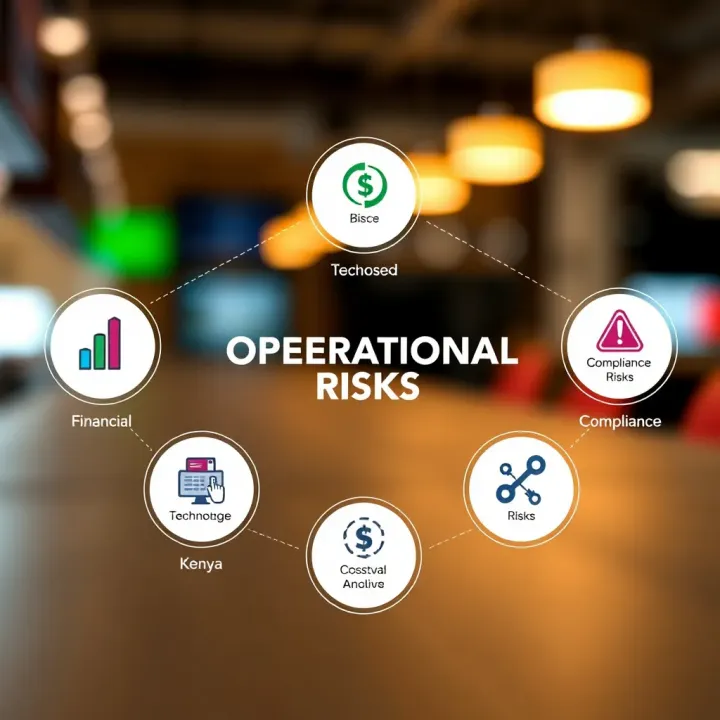
Learn how Kenyan businesses can identify, assess, and control operational risks with local insights. Includes tech use and regulatory tips 📊 to protect your venture.

Master risk management for Kenyan businesses 📈 Learn practical ways to identify, analyse, control, and finance risks to safeguard your enterprise locally and grow with confidence.
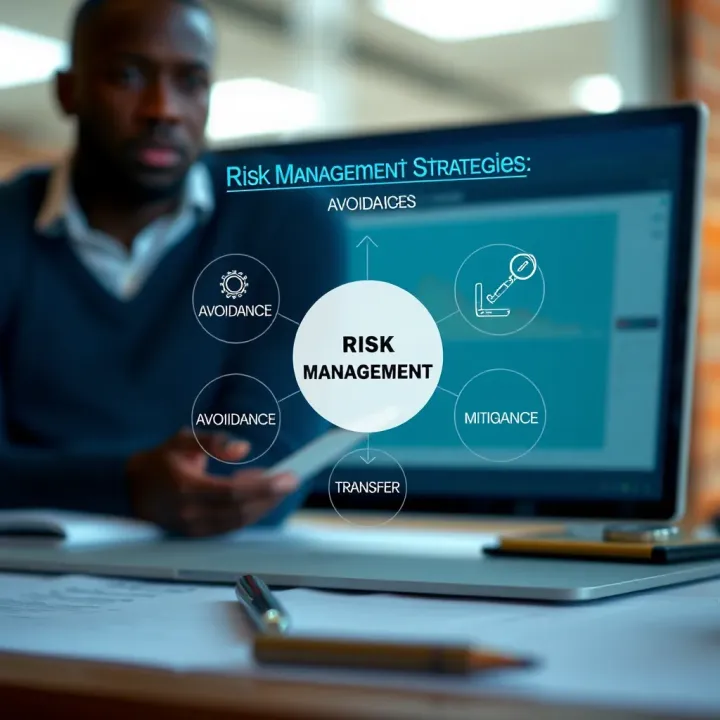
Manage risks effectively in Kenyan businesses with proven techniques—identify, assess, mitigate, and transfer risks to safeguard your operations and finances 📊💼
Based on 7 reviews