
Managing Risks in Project Management in Kenya
📊 Learn how to manage risks in projects effectively by identifying, assessing, and controlling threats while seizing opportunities, tailored for Kenya's business setting.
Edited By
Henry Mitchell
Every project in Kenya faces some level of risk, whether it's delays in delivery, budget overruns, or changes in market demand. Effective risk management is about spotting these risks early, understanding their potential impact, and planning ways to handle them before they become major setbacks.
Projects in sectors like construction in Nairobi or agricultural development in Kisumu often encounter risks tied to weather patterns, regulatory changes, or supply chain disruptions. Managing these risks well ensures smoother execution and better chances of success.
Identifying and managing risks isn't just a box to tick—it’s the difference between a project that gets stuck and one that sails through.
Ignoring risks can lead to unexpected costs and missed deadlines. For investors and traders watching project performance, risk management affects profitability and returns.
Analysts and brokers need clear insights into potential risks to advise clients effectively, while educators must prepare future professionals with these practical tools.
Start by gathering your project team and stakeholders. Use methods such as:
Brainstorming sessions to list possible risks
Studying past projects similar to yours
Consulting industry reports or regulatory announcements
In Kenya’s informal sector, risks might include sudden policy changes by county governments or strikes by transport workers affecting material delivery.
Once risks are identified, gauge their likelihood and consequences. Use a simple matrix rating:
| Likelihood | Impact | Example | | --- | --- | --- | | High | High | Delay from transport strikes | | Medium | Low | Minor price fluctuations | | Low | High | New safety regulations |
This helps prioritise which risks to tackle first.
Managing risks proactively means you keep your project on track and minimise surprises, boosting confidence for everyone involved.
Risk management is a fundamental part of ensuring a project reaches its goals without unexpected setbacks. In the Kenyan context, where projects often face unique challenges like fluctuating regulations, supply chain delays, or climate variations, understanding risk management helps traders, investors, and project teams prepare for these issues. It’s not just about avoiding problems but also about recognising potential threats early and handling them effectively.
At its core, risk is any event or condition that can affect project outcomes, either positively or negatively. For example, a delayed delivery of essential materials can push timelines behind schedule, while new market opportunities might accelerate the benefits of a project. Understanding this broad view helps teams to focus on risks that matter, rather than chasing every unlikely possibility.
Consider a real situation where a construction company in Nairobi fails to account for the rainy season’s effect on roadworks. The project stalls, costs balloon, and stakeholders lose confidence. Recognising such risks early on allows better planning and budgeting, which in turn raises the chances of project success.
Managing risks is key to delivering projects on time, within budget, and to the expected quality. If risks are left unchecked, small issues can snowball into bigger problems that drain resources and cause delays. For investors and analysts, well-managed risks mean greater predictability and confidence in project returns.
Moreover, in Kenya’s business environment, where external factors like currency shifts or regulatory changes happen often, an effective risk plan helps navigate these uncertainties. For example, a project relying on imported machinery might face cost increases when the shilling weakens. A risk strategy could include negotiating fixed prices or sourcing locally to reduce exposure.
Effective risk management is about staying one step ahead, turning potential disruptions into manageable outcomes.
In summary, understanding risk management equips project leaders and stakeholders with the tools to spot problems early and respond smartly, which ultimately supports smoother project execution and better investment outcomes. It shifts the mindset from reacting to troubles to controlling the project’s destiny.
Identifying risks early in your project is a key step to keep things on track and avoid costly surprises. It helps you spot potential problems that might slow you down or increase costs, giving you a chance to prepare before they spiral out of control. This approach is especially useful for traders, investors, analysts, educators, and brokers who depend on tight schedules and precise deliveries.
Most project risks come from predictable sources, so knowing where to look is half the battle. These include:
Financial Risks: Budget overruns or cashflow delays that could stall project progress.
Technical Risks: Challenges with technology, software, or tools failing to deliver as expected.
Human Risks: Staff turnover, skill gaps, or poor communication within the team.
Environmental Risks: Weather disruptions in Kenya’s varied climate, infrastructure failures, or regulatory changes.
Market Risks: Fluctuating demand, competition shocks, or economic downturns affecting project viability.
Knowing these categories helps you target your risk-identification efforts effectively rather than searching blindly.
Gathering everyone involved—from project managers to frontline staff and clients—for open brainstorming can reveal risks that might be invisible when viewed from a single angle. For example, during a project to launch new agricultural equipment in Kisumu, input from local farmers helped highlight risks related to seasonal rains and supply chain delays that planners had not foreseen.
Such sessions encourage diverse perspectives and generate a rich list of potential risks. It’s also a chance to build consensus on priorities by discussing the likelihood and impact of each risk openly.
Looking back at reports from similar completed projects enables you to learn from past mistakes and challenges. For instance, if a previous construction project in Nairobi had frequent delays due to equipment breakdowns, recognising this pattern early helps you plan for better maintenance or alternative machinery.
This method grounds risk identification in real experience rather than guesswork, making your risk register more practical and reliable.
Employing standard checklists tailored to your project type ensures you don’t miss common risk areas. For example, a checklist for software development projects might include points on data security, integration issues, and stakeholder availability.
A risk register serves as a living document recording all identified risks, assignments, and status updates. This tool keeps everyone informed and accountable throughout the project cycle. Using it regularly helps catch new risks emerging as the project progresses.
Pinpointing risks early means you’re not just reacting to problems but steering your project safely through challenges. This proactive stance builds confidence among investors and stakeholders alike.
Effective risk identification combines structured methods with practical insights from your team’s experience, ensuring your project has the best chance to succeed without nasty surprises along the way.
Assessing and prioritising risks helps focus attention and resources on the issues that could most affect your project’s success. Without this step, teams might waste time on unlikely problems or miss serious threats. For Kenyan projects, where budgets and timelines can be tight, knowing which risks matter most ensures efficient use of resources and clearer decision-making.
Evaluating risks involves two key measures: how likely the risk is to happen and the impact it would have if it did. For example, in a Nairobi-based infrastructure project, the chance of heavy rains causing delays may be high during the long rains season — this risk is both likely and could cause substantial setbacks. On the other hand, a power outage due to national grid failure might be less common but still carry a heavy impact if it stalls critical work.
This evaluation helps teams classify risks more objectively. Impact covers financial loss, time delays, reputational damage, or reduced quality. Likelihood rates the chance the risk becomes reality, based on past experience, data, or expert opinion. Assigning clear ratings (like high, medium, or low) for each risk builds a foundation to compare and decide which need urgent control.
A risk matrix is a simple, visual tool that plots risks on a grid showing impact against likelihood. This approach provides teams with a quick snapshot of which risks deserve priority. For example, risks in the top-right corner — those with high probability and severe impact — demand immediate action, while those in the bottom-left require monitoring without high resource spend.
Using a risk matrix brings several benefits:
Simplifies complex information, making it easier for stakeholders to grasp risk profiles.
Supports clear prioritisation, helping project managers allocate contingency funds or effort efficiently.
Guides communication, providing a common reference point during meetings or reports.
A practical approach for Kenyan projects is to customise the matrix features based on the project’s nature — for instance, factoring in local supply chain reliability or seasonal weather risks common to the region.
Prioritising risks through assessment and visual tools like a risk matrix strengthens project planning by turning uncertainties into manageable actions. It's the difference between scrambling at the last minute and steering your project steadily towards completion.
By carefully evaluating and mapping risks, you ensure your project team stays alert to the real dangers, able to act in time, and confident about where to invest their efforts. This step lays the groundwork for smart risk control and smoother project delivery.
Having spotted and assessed risks in a project, the next step is to craft practical strategies to manage them. This phase is critical because it moves the team from just knowing about potential setbacks to actively controlling or preparing for them. Without effective strategies, identified risks remain threats that could derail project timelines or inflate costs, especially in fast-moving sectors like Kenyan retail or construction.
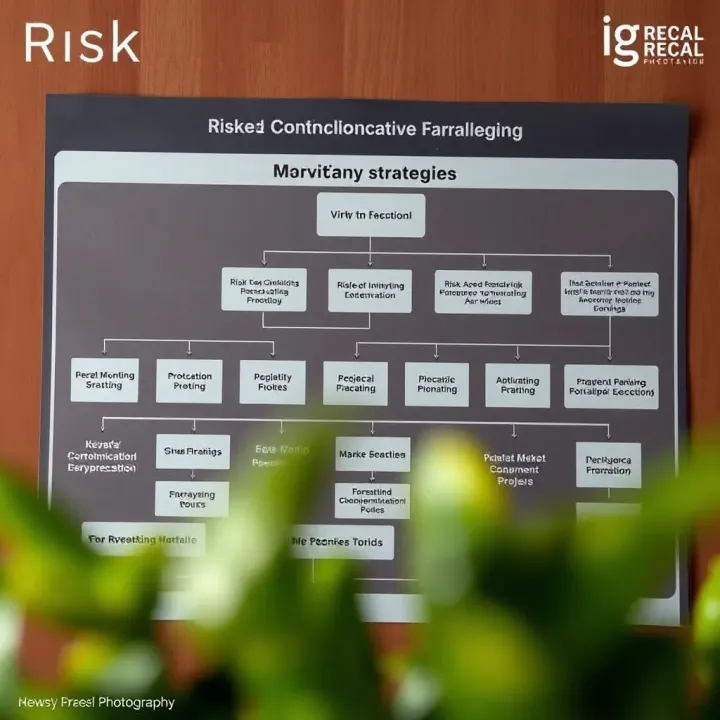
Risk management involves choosing how to deal with each identified risk, typically through one of four paths: avoidance, mitigation, acceptance, or transfer.
Risk avoidance means steering clear of activities that expose the project to risk. For instance, if a construction project faces delays due to unreliable suppliers in a specific region, the team might opt to source materials from a more dependable supplier even if costlier, thus avoiding the risk.
Mitigation involves reducing the chance or impact of a risk. Say your tech project risks data loss due to unstable power; installing backup generators and running regular backups reduces the impact.
Acceptance is when the team decides to live with a risk because the cost of managing it outweighs the potential impact. For example, a small delay in delivery might be acceptable if it doesn’t affect the overall project deadline.
Transfer shifts the risk to a third party. One common practice is to buy insurance or subcontract risky parts of work to experts. In Kenyan agriculture projects, transferring weather-related risks through insurance policies reduces direct losses.
Having clear criteria on when to apply each approach helps teams respond quickly and appropriately.
No matter how carefully you plan, some risks will still materialise. That is where contingency plans come in. These are detailed backup actions prepared in advance for likely risk events.
For example, a financial services firm might prepare a contingency plan for system outages, including quick failover to backup servers and alternative communication channels with clients.
Alongside plans, setting aside contingency reserves—whether time buffers or budget allocations—provides a cushion to manage unexpected costs or delays. In Kenya's jua kali sector, small projects often build in extra days to account for common disruptions like power outages or supplier delays.
Contingency planning isn’t about expecting failure but about preparing to keep the project steady and moving forward when obstacles arise.
Combining clear strategies for risk treatment with solid contingency measures creates resilience in project delivery. For traders, investors, and analysts, understanding these tactics sharpens risk oversight, making project outcomes more predictable and investment-worthy.
Managing risks is not just a one-time task in project planning—it needs constant attention throughout the project lifecycle. Monitoring risks helps catch new threats early and tracks changes in known risks. Reporting keeps everyone informed, ensuring decisions are based on current facts. Effective communication within the team and with stakeholders builds trust and prepares the project to respond swiftly when challenges arise.
Tracking risks should be a continuous process, not just a checkpoint during project milestones. Using tools like risk registers updated regularly allows project managers to monitor ongoing risk status and spot emerging threats. For example, in a construction project in Nairobi, delays caused by rain during the long rains season can be monitored closely by keeping weather forecasts integrated into the risk schedule. This helps the team adjust the timetable or allocate extra resources proactively.
Regular risk reviews—either weekly or monthly, depending on the project's pace—keep the team alert. These meetings can uncover risks that might not have been obvious at the start, such as supply chain issues or changes in local regulations. The key is to keep the process lightweight yet consistent, so it does not become a burden.
Clear and concise risk reporting builds confidence among investors, traders, and other stakeholders. Reports should focus on the status of critical risks, any recent developments, and the effectiveness of mitigation measures. Using visual aids like risk dashboards or colour-coded risk matrices can make complex information easier to digest.
A good example is sharing a monthly risk report with shareholders of a tech startup in Nairobi, highlighting risks such as cybersecurity threats or delays in software delivery. This transparency helps manage expectations and can even attract support or advice from stakeholders who may have relevant experience.
When communicating risk, avoid jargon and focus on the impact and what’s being done about it. Including the likelihood and potential financial or operational effects keeps the message relevant to the audience’s interests.
Creating a culture where team members openly discuss risks is vital. This means removing any fear of blame and encouraging early reporting of problems. For instance, in a manufacturing firm in Mombasa, workers on the floor are encouraged to report equipment wear and tear without hesitation, preventing bigger failures down the line.
Leaders can promote openness by holding regular risk workshops or informal debriefs, where everyone shares observations and challenges. This approach catches risks that might otherwise slip under the radar and uses the collective wisdom of the team.
Monitoring, reporting, and communication form the backbone of effective risk management. They allow teams to stay ahead of problems, keep stakeholders informed, and create a proactive environment that responds to change quickly and confidently.
By making these practices part of daily project routines, Kenyan project teams enhance their chances of successful delivery despite uncertainties. This practical mindset, grounded in clear communication and constant vigilance, is what separates struggling projects from successful ones in today’s dynamic environment.
📊 Learn how to manage risks in projects effectively by identifying, assessing, and controlling threats while seizing opportunities, tailored for Kenya's business setting.

📦 Discover practical risk management strategies for Kenyan supply chains. Learn to identify, assess, and reduce disruptions using technology and local insights.

Manage supply chain risks in Kenyan businesses with practical strategies, tech tools, and strong governance for smooth operations and resilience 🛠️🚚

📊 Learn practical risk management strategies in forex trading to protect your investments, control exposure, and improve outcomes in Kenya's volatile market.
Based on 15 reviews