

Risk Management Methods for Kenyan Businesses
Master risk management for Kenyan businesses 📈 Learn practical ways to identify, analyse, control, and finance risks to safeguard your enterprise locally and grow with confidence.
Edited By
Henry Foster
Risk management is a day-to-day reality for Kenyan businesses. Whether you run a small kiosk in Kibera or manage a medium-sized enterprise in Nairobi, understanding risks and handling them smartly can mean the difference between growth and collapse. Kenyan firms face challenges unique to our environment — from unpredictable weather patterns impacting supply chains to regulatory changes that affect operations.
Identifying risks is the first step in smart risk management. These risks usually fall into three categories: financial (like currency fluctuations or delayed payments), operational (such as power outages or transport strikes), and market risks (including competition or demand changes). For example, a farmer in Uasin Gishu must consider weather risks that can affect crop yields, while a retailer in Mombasa may worry about import tariffs.

Once risks are identified, the next step involves assessing their potential impact and likelihood. Businesses can use simple tools like risk matrices that rank the chance of a risk event occurring against how severe its effect would be. This method helps in prioritising which risks to tackle first. For instance, frequent power cuts might be a high-likelihood, high-impact risk leading many firms to invest in backup generators.
Effective methods to manage risks include:
Diversification: Kenyan exporters often spread their markets across East Africa to avoid heavy losses from one country’s economic downturn.
Insurance: Taking out cover for property, crop failure, or theft helps businesses avoid crippling losses.
Contingency Planning: Preparing alternate suppliers or backup plans ensures continuity during disruptions, like when a matatu strike delays deliveries.
Compliance and Legal Preparedness: Staying updated on KRA tax policies or county regulations prevents costly penalties.
Good risk management doesn’t entirely remove dangers but reduces their impact so businesses can survive shocks and remain resilient.
Through these practical approaches, Kenyan enterprises can protect their assets and build trust with customers, investors, and partners. Businesses that grasp risk management as part of their strategy gain a clear edge in today’s competitive environment.
Understanding risk matters deeply for Kenyan businesses because it shapes how companies prepare for unexpected challenges. Given Kenya’s dynamic economic environment, knowing the types of risks and their impact helps businesses avoid costly surprises. For example, a retailer in Nairobi facing sudden fuel price hikes needs to factor in transport cost increases right from the planning stage.
Kenyan businesses often juggle several unique risks—from fluctuating shilling values to political shifts affecting regulations. Appreciating these risks enables business leaders and investors to craft strategies that match the local landscape rather than borrowing approaches that may work elsewhere but not here.
Operational risks arise from failures in day-to-day business functions. These include machinery breakdowns, human errors, or supply delays. For instance, a factory in Athi River might face production halts if key equipment malfunctions or if skilled staff are absent unexpectedly. Such disruptions can hurt output and profit margins if not managed well.
Financial risks refer to threats to a business’s money flows, like credit defaults or cash shortages. In Kenya, a common scenario is firms struggling with delayed payments from clients or banks tightening credit access. Currency depreciation against the US dollar can also increase loan servicing costs, squeezing budgets. Effective cash flow management is crucial to handle these risks.
Market and economic risks stem from broader trade and economic changes that affect demand or costs. For example, a tour operator depending on international visitors must navigate global travel restrictions or changes in tourist preferences. Likewise, inflation hikes in Kenya raise operating costs across sectors, meaning product prices and profit margins must be regularly reviewed.
Regulatory risks involve changes in laws or failure to meet government requirements. Kenyan firms are keenly aware of this, especially with frequent new tax rules or licensing demands. Non-compliance can lead to penalties or business closure. For example, a food processing plant missing KRA filing deadlines risks fines, disrupting its cash flow and reputation.
Because many Kenyan businesses import inputs or borrow in foreign currencies, shifts in the shilling’s value directly affect costs. Inflation also affects purchasing power and pricing decisions. For instance, a manufacturer importing raw materials may see input costs soar due to a weaker shilling, forcing price hikes or margin cuts.
Kenya’s political landscape sometimes triggers regulatory adjustments or market uncertainties. Following election years, businesses often face resource scarcities or delayed policy announcements impacting operations. Quick adaptation and maintaining good relations with regulators are practical ways to manage this.
Supply chains in Kenya can be disrupted by transport strikes, weather patterns like long rains, or border delays. For example, a supermarket chain sourcing fresh produce from upcountry farms may miss key deliveries during heavy rains or fuel shortages, shrinking stock availability and sales.
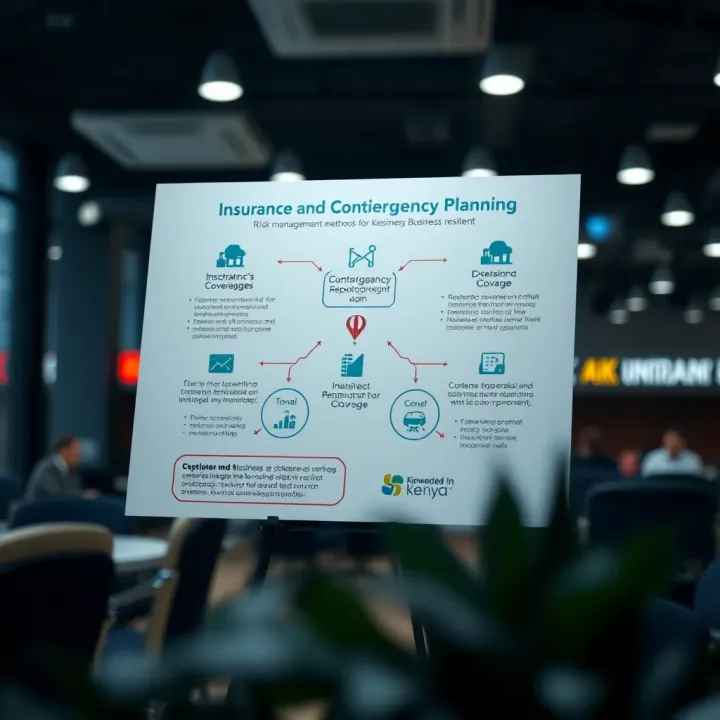
Rapid changes in technology and digital platforms mean businesses must keep up to stay competitive. For instance, retailers who fail to adopt mobile payment systems like M-Pesa risk losing a sizeable section of customers who prefer cashless transactions. Cybersecurity threats also pose growing challenges.
Kenyan businesses that actively understand and prepare for these risk types stand a better chance of sustaining growth and riding out shocks in today's fast-changing environment.
Identifying and assessing risks is fundamental for Kenyan businesses aiming to stay afloat amid uncertainties. The process reveals possible threats early, making it easier to plan and prevent major losses. Whether you run a jua kali workshop in Nakuru or a supermarket in Nairobi, knowing what could go wrong – and how likely it is – helps you save time and money, and more importantly, keeps your operations steady.
Brainstorming and stakeholder interviews bring different perspectives together to spot risks that might not be obvious at first glance. Gathering your team or interviewing suppliers, customers, and even regulators can uncover hidden issues. For example, a Nairobi-based exporter might learn from stakeholders about potential delays in customs clearance due to new regulatory changes. This method encourages open dialogue, which is vital for businesses facing dynamic challenges.
SWOT analysis (Strengths, Weaknesses, Opportunities, and Threats) offers a structured way to classify risks and opportunities within your business environment. Kenyan traders dealing with fluctuating foreign exchange rates can use SWOT to assess internal weaknesses, such as limited foreign currency reserves, against external threats like currency volatility. This helps pinpoint where to focus risk mitigation efforts effectively.
Historical data review means looking back at past records to find patterns of risks that have affected your business or sector. For instance, a maize farmer in Nyeri might review years of rainfall data and crop yields to evaluate the risk of drought impacting output. This approach relies on concrete information rather than guesswork, helping businesses prepare better for recurring challenges.
Understanding both the potential damage (impact) and the chance (likelihood) of a risk occurring is key to managing resources wisely. Qualitative measures involve descriptive assessments, like scoring risks as high, medium, or low based on expert judgment. Quantitative measures use numbers and statistics, such as forecasting that a 10% drop in sales might cost a retailer KSh 500,000 monthly. Both methods guide Kenyan businesses in making realistic decisions about which risks need urgent action.
Risk matrices map risks on a grid based on their impact and likelihood. This visual tool helps businesses quickly identify high-priority threats. For example, a Kenyan tech startup may plot cybersecurity threats as high likelihood and high impact, signalling the need for immediate controls. While minor risks fall into green zones, serious risks in red receive focused attention.
Prioritising risks based on severity means directing efforts towards risks that can cause the most harm. A Nairobi manufacturer might prioritise supply chain interruptions over minor equipment glitches as the former could halt production and lead to substantial revenue loss. Prioritisation ensures businesses do not spread themselves too thin but address the most pressing vulnerabilities first.
Every risk carries a story; identifying and assessing it well ensures you’re in control of your business narrative.
Understanding and applying common risk management strategies is vital for Kenyan businesses to navigate the uncertainties that could disrupt their operations or financial stability. These strategies provide practical ways to reduce potential losses, share risks responsibly, and manage unavoidable risks effectively. They enable firms to stay competitive in an environment marked by political changes, fluctuating markets, and technological shifts.
Changing business processes involves modifying how a business operates to eliminate or reduce risks. For instance, a Kenyan retailer may alter its supply chain by sourcing products from multiple suppliers instead of relying on a single one. This change prevents total stockouts if one supplier encounters delays. Similarly, a small-scale tea exporter might diversify markets to avoid heavy dependence on one country prone to regulatory changes. By refining workflows or operational methods, companies lower their exposure to known risks and minimise disruptions.
Implementing internal controls focuses on establishing rules and procedures to prevent errors, fraud, or operational failures. A Kenyan financial institution, for example, might enforce strict approval processes for cheque payments, reducing the risk of unauthorized transactions. Additionally, routine audits and clear segregation of duties help maintain accountability within organisations. These controls build confidence among stakeholders and ensure that risks are detected early before they escalate.
Types of insurance relevant in Kenya include business interruption insurance, public liability, fire and theft, and motor insurance, all tailored to local business needs. For example, a manufacturing firm in Nairobi might secure fire insurance to protect its factory against common hazards. Meanwhile, public liability insurance is crucial for service providers to cover claims arising from accidents. These policies offer a safety net, transferring financial risks to insurers and helping businesses recover faster after unforeseen events.
Collaborations to distribute risk mean partnering with other entities to share the burden of risks. For example, several jua kali artisans might form a cooperative to bulk-buy raw materials, reducing costs and risks associated with price fluctuations. Similarly, joint ventures between Kenyan agribusinesses help spread market or climatic risks across partners. Such alliances strengthen resilience by pooling resources and knowledge while sharing both profits and potential losses.
When to accept risks depends on the cost-benefit analysis of managing versus retaining them. Some risks, like minor fluctuations in forex rates for export businesses, may be too expensive to hedge against. In such cases, firms choose to accept these risks, focusing instead on areas where control measures are more practical. This approach frees up resources while recognising that some degree of risk is inherent to doing business.
Setting aside contingency funds is a prudent way to prepare for potential adverse events financially. Many Kenyan SMEs allocate part of their revenue into emergency funds to cover unexpected expenses such as equipment repairs or operational delays. Contingency funds provide a buffer that can keep a business afloat during tough times without resorting to costly loans or sacrificing key investments.
Effective risk management balances action with pragmatism, ensuring businesses do not overreach while still protecting themselves from serious threats.
By mastering these common strategies, Kenyan businesses can protect their operations, maintain steady growth, and adapt readily whenever risks arise.
Effective risk management in Kenyan businesses often depends on practical tools and well-tested practices that help identify, monitor, and respond to risks as they arise. Using the right tools allows businesses to detect early signs of trouble, while solid practices ensure continuity and quick recovery when disruptions occur. This combination builds resilience especially in a dynamic environment like Kenya, where market conditions and regulations can change suddenly.
Monitoring tools play a significant role in spotting risks before they escalate. For instance, businesses can use software that tracks currency fluctuations or monitors supply chain delays in real time. A Nairobi-based exporter, for example, might rely on online platforms pulling data from ports and customs to flag shipment hold-ups early, allowing quick action to avoid stockouts.
Such tools also collect sales trends, customer feedback, or competitor moves, giving traders or analysts a clearer picture of potential market risks. In finance sectors, firms use data analytics to monitor fluctuating interest rates or credit risks, making adjustments to lending policies promptly.
Early warning systems are vital for Kenyan businesses to prepare for sudden shocks. These could be set up to notify managers of changes in regulatory policies or upcoming elections, which tend to affect market confidence. For example, a retailer might receive alerts about election season risks impacting consumer spending, allowing them to adapt stock levels.
Besides political risks, early warning systems that track weather patterns are crucial for agribusinesses dependent on the long and short rains. When the Kenya Meteorological Department issues alerts on delayed rainfall, farmers can adjust planting schedules or shift to drought-resistant crops, reducing the impact of climate-related risks.
Preparing for disruptions is about anticipating possible challenges and having a plan ready. Kenyan businesses often face power outages, transport strikes, or internet downtimes. For example, SMEs might set up backup power generators or arrange alternative routes for delivery during matatu driver strikes. Preparing also means training staff on emergency procedures and ensuring supplies can be rerouted if a supplier faces delays.
Recovery strategies focus on bouncing back after disruptions quickly and with minimal losses. This can involve phased reopening of operations or prioritising key customers first. A Nairobi-based logistics firm, after a flood caused road closures, might deploy extra vehicles on unaffected routes and communicate clearly with clients to manage expectations.
Having access to contingency funds is another practical approach. Setting aside money specifically for emergencies helps avoid cash flow problems when unexpected costs arise. For instance, businesses reliant on imported goods can face sudden customs fee hikes and need ready funds to clear shipments fast.
Businesses that actively use tailored tools and maintain up-to-date plans are better equipped to keep operations steady despite Kenya’s unique challenges.
By integrating technology, early warnings, and clear contingency planning, Kenyan businesses can protect themselves from common risks and maintain confidence with stakeholders and investors.
In Kenyan businesses, developing a culture that constantly recognises and responds to risks can mean the difference between staying afloat and sinking when challenges arise. A risk-aware culture ensures everyone—from top management to frontline employees—understands the importance of spotting potential threats early and responding effectively. This approach goes beyond ticking compliance boxes; it embeds risk awareness in daily decision-making, encouraging proactive rather than reactive responses.
Without this mindset, organisations often face surprises like supply chain breakdowns or unexpected regulatory changes, which in Kenya's fast-changing business environment can be costly. For instance, a Nairobi-based SME that embraced a risk-aware culture managed to quickly adjust when new tax rules rolled out, preventing cash flow problems that many others suffered. This culture also helps maintain customer trust, especially when businesses openly manage risks related to data security or product quality.
Educating employees on risk awareness is vital to keeping all staff alert to possible issues. Practical training sessions tailored for different departments help employees understand specific risks they may encounter. For example, warehouse workers learning about safety risks can reduce accidents, while sales teams trained on fraud detection protect the company’s revenue. When employees recognise their role in managing risk, it creates a collective shield against threats, reducing overall vulnerability.
Clear communication also plays a big role. Sharing real-life risk scenarios relevant to local conditions makes training relatable and more likely to stick. Regular risk awareness seminars or short e-learning modules can keep knowledge fresh, especially as new risks emerge, such as cyber threats or market shifts.
Regular updates and feedback mechanisms keep risk management dynamic. Businesses operating in Kenya often face changing economic and political climates, so they must share timely information about new risks or policy changes. Using newsletters, notice boards, or mobile messaging tools like WhatsApp groups ensures that all staff stay informed. This ongoing flow of information means employees feel involved and ready to act when needed.
Feedback loops give employees a safe way to report risks or near misses without fear. For example, a transport company in Mombasa implemented anonymous reporting to catch risky driving behaviour early. This openness not only helps spot problems quickly but also builds trust and continuous improvement.
Setting policies and expectations is the responsibility of leadership. Kenyan organisational leaders must clearly define risk management procedures and communicate what behaviour is expected across the company. For example, a trading firm may institute a clear policy on how all new contracts are reviewed for risks before signing. These policies create a consistent approach that prevents ad hoc decisions vulnerable to risk.
When leadership commits to these standards, it sends a strong message down the line that risk management is non-negotiable. Employees are more likely to take risk controls seriously when they see leaders practising what they preach.
Encouraging transparency is another key leadership function. Open discussion about risks, failures, and near misses without blame encourages a learning organisation where issues are fixed early rather than hidden. For example, a fintech startup in Nairobi that shares monthly risk reports with employees fosters honesty and collaboration in tackling problems.
Transparent leadership also builds confidence among investors and partners who value organisations that acknowledge and manage risks openly. This approach aligns well with Kenya’s growing demand for corporate governance in both private and public sectors.
A risk-aware culture requires everyone in the business to play their part—regular training, clear communication, committed leadership, and transparency lay the groundwork for managing challenges before they become crises.
In summary, building a risk-aware culture in Kenyan organisations is about day-to-day practices and leadership setting a strong example. It empowers employees to identify and address risks early, ultimately safeguarding the business's future in a complex and evolving market environment.
Master risk management for Kenyan businesses 📈 Learn practical ways to identify, analyse, control, and finance risks to safeguard your enterprise locally and grow with confidence.

📊 Understand key risk management tools Kenyan businesses use to spot, evaluate & handle risks. Learn how to embed risk control in your operations for steady growth 🌍
📊 Learn how Kenyan organisations can identify, assess, and manage risks with practical risk management frameworks. Boost resilience and safeguard your business today.

Learn how Kenyan businesses can spot and handle strategic risks affecting their goals. Get practical tips for integrating risk management into daily decisions 📊
Based on 15 reviews